
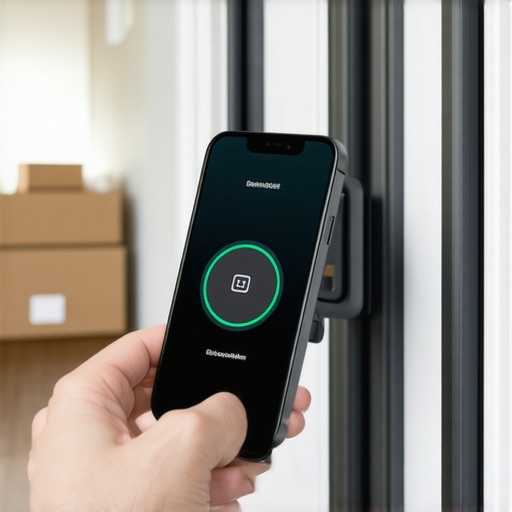
The First Thing to Do with Your Smart Locks After Moving In
You just signed the papers, the moving truck is idling at the curb, and you have that shiny new digital keypad on the front door. You think you are safe. You are not. As a locksmith who has spent twenty-five years staring at the internals of every piece of junk hardware sold in big-box stores, I am here to tell you that a smart lock is just a computer stuck on top of a physical vulnerability. If you do not handle the transition correctly, you might as well leave the door wide open. Most people move in and just change the user code. That is a rookie move. I have seen the consequences of laziness in this industry for decades, and it usually ends with a phone call to my shop at midnight.
The Ghost in the Machine: Why Your New Home is Not Secure
A lady came into my shop crying because a scammer drilled her three hundred dollar smart lock and charged her six hundred dollars for a replacement that was basically pot metal. The scammer told her the lock was unpickable. It was a lie. I could have manipulated that cylinder in seconds with a Lishi tool, but she called a trunk-slammer instead of a real locksmith. She lost her money and her security because she did not understand the hardware on her own door. When you move into a home with existing smart locks, you are inheriting someone else’s digital and physical security choices. You have no idea how many people have the master code, how many virtual keys are floating around in the cloud, or if the physical cylinder has been compromised. The very first thing you must do is a complete factory reset, but that is only the beginning of a real security audit.
“Security is always a trade-off between convenience and protection.” – Industry Axiom
The Physics of the Smart Deadbolt
Let us talk about mechanism zooming. Inside that smart lock, there is a small DC motor, a series of plastic or nylon gears, and a solenoid that engages the drive bar. When you enter a code, the motor turns those gears to retract the bolt. If your door is not perfectly aligned, the motor has to fight the friction of the strike plate. This is where most residential systems fail. In my shop, I see motor assemblies burnt out because the homeowner ignored a shifting door frame. The bolt is often made of cast zinc with a thin steel pin inside to prevent sawing, but zinc is brittle. High-security locks vs standard locks comparison shows that a real high-security deadbolt uses hardened steel alloys that resist drilling and snapping. Most smart locks prioritize the app over the metal. You need to verify if your lock uses a standard 5-pin tumbler or a high-security euro cylinder lock style that offers better resistance against bumping and picking.
The 2026 Shift: Access Control and Emerging Trends
We are looking at significant 2026 trends in automotive security and residential access that are beginning to merge. Just as modern vehicles use encrypted rolling codes and ultra-wideband technology to prevent relay attacks, residential smart locks are moving toward decentralized identity. We are seeing electronic access control systems for small businesses being adapted for the home. These systems do not just rely on a four-digit code; they use encrypted tokens. However, this tech brings app-controlled door locks security risks. If the previous owner still has administrative access to the manufacturer’s portal, they can potentially revoke your access or monitor your entries. A factory reset clears the local memory, but you must ensure the device is