
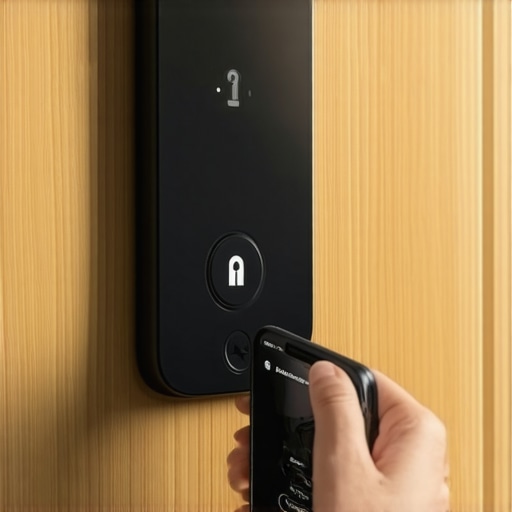
The Hard Truth About Physical Keys in the Rental World
I have spent twenty-five years behind a workbench, surrounded by the smell of graphite and the sound of key cutters. I have seen every way a door can be breached. A lady came into my shop recently crying because a scammer drilled her lock and charged her six hundred dollars for a twenty-dollar piece of zinc hardware. This is the reality of the industry today. This lady was an Airbnb host who had been locked out by a guest who changed the codes on a cheap hardware store keypad. This is why the shift toward remote Wi-Fi deadbolts is not just a trend, it is a necessary evolution in property management. As a locksmith, I look at security as a physics problem. A traditional pin-tumbler lock relies on the mechanical alignment of five or six pins at a specific shear line. For a rental property, those physical pins represent a massive liability. If a guest makes a copy of your key at a local kiosk, your security is compromised forever until you rekey the cylinder. This is where the modern Wi-Fi deadbolt changes the game by removing the physical key from the primary equation.
“Security is always a trade-off between convenience and protection.” – Industry Axiom
The Anatomy of a High-End Smart Deadbolt
When you look at a budget smart lock starter kit, you are often looking at a pile of plastic gears and pot metal. A master locksmith looks for a solid brass bolt and a motor with enough torque to overcome a slightly misaligned door. Inside a quality Wi-Fi deadbolt, the mechanism involves a clutch system that engages the tailpiece. When the Wi-Fi signal sends a command through the encrypted bridge, the motor rotates a cam that pushes the bolt into the strike plate. If that strike plate is not reinforced with three-inch screws going into the wall stud, the most expensive lock in the world is useless. The switch to Wi-Fi is about more than just avoiding the 3 AM lockout call. It is about the ability to audit the lock. I tell my clients that if you cannot see who opened the door and when, you do not have security, you have a suggestion of privacy. Fingerprint lock reliability tests have shown that biometric options are great for personal homes, but for Airbnb, the remote code generation is king. You need to be able to issue a code that expires at exactly 11:00 AM on check-out day. That is the power of a Wi-Fi enabled system.
Why the Strike Plate is Your Real Weak Point
Burglars do not usually pick locks. That is a skill for locksmiths and hobbyists. Burglars kick doors. When they kick, they are not fighting the lock, they are fighting the wood of your door frame. This is why I always recommend a lock shield installation for doors in rental properties. A lock shield prevents a crowbar from gaining purchase between the door and the frame. Most Airbnb hosts overlook this. They install a fancy smart lock but leave the original, flimsy strike plate held in by half-inch screws. If you are switching to a Wi-Fi deadbolt, you must also upgrade the structural integrity of the door. The physics of a kick-in attack involve the transfer of energy from the door to the bolt, then to the strike plate, and finally to the wood. If any of those links are weak, the door opens. In my shop, I teach my apprentices that the bolt must throw at least one full inch into the frame. Anything less is just a decorative latch. This is especially true for mobile locksmith for RVs and campers where the frames are even thinner and require specialized reinforcement.
Identifying the Signs You Need to Change Your Door Locks Immediately
Not every lock failure is a sudden break. Usually, there are warnings. If you hear a grinding sound when the motor turns, or if you have to pull the door toward you to get the bolt to throw, those are signs you need to change your door locks immediately. This is often a sign of door warping, common in areas with high humidity where wood swells. A remote host might not feel the resistance, but the motor in the Wi-Fi deadbolt certainly does. Eventually, the motor will burn out or the gears will strip. For apartment owners, a 24/7 mobile locksmith for apartments can help diagnose these alignment issues before the hardware fails. Door lock jamming fixes 2026 will likely involve more AI-driven predictive maintenance, but for now, you have to use your ears. If the lock sounds like it is struggling, it is because it is. We also see issues with rekeying after burglary best practices. If a door has been kicked, the entire frame is likely compromised. You cannot just put a new lock on a splintered frame and call it a day.
“The strength of a lock is inversely proportional to the number of people who have a key to it.” – Security Manual MS-22
The Problem with Cheap Hardware and Scam Locksmiths
I despise the trunk slammers who advertise a fifteen-dollar service call. They show up, tell you the lock is high-security, drill it out, and then install a cheap Grade 3 deadbolt while charging you five hundred dollars. A real locksmith has the tools like Lishi picks and air wedges to get you in without damage. We also have the specialized knowledge for things like emergency safe cracking services or creating a locksmith for vintage car keys when a guest loses the keys to your classic rental. When choosing a Wi-Fi deadbolt, look for ANSI Grade 1 ratings. This means the lock has been tested to withstand hundreds of thousands of cycles and significant physical force. Most budget kits are Grade 3, which is fine for a bathroom door but not for the main entry of an Airbnb. I always tell hosts to look at the material science. Is the bolt hardened steel? Does it have a ceramic insert to prevent sawing? These are the details that matter when the guest is gone and the property is sitting empty.
Installation and the Flush Fit Requirement
When I install a remote deadbolt, I am looking for a flush fit. The cylinder should not project far enough for a pair of vice grips to grab it. The tailpiece should be cut to the exact thickness of the door. If there is play in the mechanism, it creates a point of failure. For those managing multiple units, consider the benefits of a master key system override, though many hosts are moving away from physical overrides entirely to prevent bumping. Lock bumping is a technique where a specially cut key is used to bounce the pins above the shear line. A Wi-Fi deadbolt with no keyway is immune to this attack. However, you then have to worry about battery life. This is why I recommend locks with external battery terminals. If the internal batteries die, you can touch a 9V battery to the outside to give it enough juice to enter the code. This is a critical feature for any host who does not want to be calling a mobile locksmith for RVs and campers at midnight because a guest let the batteries drain. The final word on security for hosts is this: metal and physics do not lie. Invest in high-grade hardware, ensure the strike plate is anchored to the studs, and use technology to eliminate the vulnerability of the physical key. This is how you protect your investment and your peace of mind.