
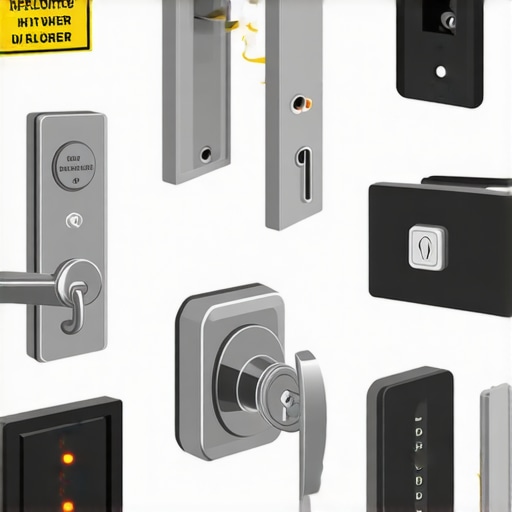
The Anatomy of a Failing Lock: A Master Locksmith’s Perspective
A lady came into my shop crying because a scammer drilled her lock and charged her six hundred dollars for a ten-dollar piece of zinc junk. She called a ‘trunk slammer’ from a sponsored ad because her key was sticking, and instead of a five-minute repair, she got a ruined door and a drained bank account. This is the reality of the industry today. Most people treat their door locks like light switches. They expect them to work every time without a thought until the moment they don’t. But a lock is a mechanical computer. It relies on tolerances measured in thousandths of an inch. When those tolerances fail, the physics of the device shift from security to a liability. If you are noticing a slight hitch in your turn or a rattle in your handle, you are already on the path to a total mechanical seizure.
“Security is always a trade-off between convenience and protection.” – Industry Axiom
1. The Mechanical Grinding: The Sound of Metal Fatigue
When you insert your key and feel a ‘crunchy’ sensation, you are feeling the results of internal galling. In my twenty-five years at the bench, I’ve seen this lead to more emergency calls than almost anything else. Inside a standard pin-tumbler lock, you have a series of brass pins, driver pins, and tiny springs. Over time, moisture and improper lubrication cause the metal to oxidize. If your lock was manufactured using cheap pot metal or low-grade zinc alloys, the friction creates microscopic metal shavings. These shavings migrate into the pin chambers, preventing the driver pins from clearing the shear line. This is the stage where how to fix a sticking door lock mechanism becomes a priority before the plug completely jams. If you ignore this, the springs will eventually compress and deform, leaving you trapped outside. This is often when people realize that key extraction for deadbolts is much more expensive than a simple cylinder cleaning. Real security requires brass on brass contact, not the cheap friction-heavy materials found in big-box stores.
2. The Loose Cylinder: Why The ‘Wobble’ is a Security Breach
A wobbly lock cylinder is often the result of a failing set screw or a stripped mounting plate. When the cylinder moves even a fraction of a millimeter, the tailpiece—the metal bar that connects the cylinder to the bolt—is no longer aligned. Every time you turn the key, you are putting lateral pressure on the internal components rather than rotational force. This leads to the ‘spinning key’ syndrome where the key turns but the bolt doesn’t move. From a security standpoint, a loose cylinder is a gift to a burglar. It provides a gap for prying tools. For those following neighborhood watch lock recommendations, keeping your hardware tight and flush against the door is the first line of defense. If the cylinder is loose, the structural integrity of the door reinforcement for security is compromised, making the door susceptible to a simple kick-in or a ‘bypass’ attack. We often see this in electronic access control systems for small businesses where the mechanical override is neglected. High-traffic doors in commercial settings must be checked for ‘play’ every six months to ensure the mortise lock body remains seated.
“High-security cylinders shall meet the requirements of ANSI/BHMA A156.30, ensuring resistance to picking, drilling, and unauthorized key duplication.” – ANSI/BHMA Standards
3. Key Resistance: When Your Pins Refuse to Dance
If you have to wiggle your key or pull it back slightly to get it to turn, your pins are worn out. Inside the plug, the brass pins have ‘v-shaped’ bottoms that ride the cuts of your key. As the key slides in and out thousands of times, it acts like a file, slowly rounding off those sharp peaks. Eventually, the pins no longer sit perfectly at the shear line. You might think this is a minor annoyance, but you are actually damaging the internal springs by forcing them to compensate for the lack of precision. This is a common issue with automotive laser-cut keys costs becoming a factor for people who try to use worn-out copies. In the world of residential security, this is the perfect time to look into keyless entry systems pros and cons. While mechanical keys offer tactile feedback, a smart lock removes the physical wear on pins entirely. However, if you stick with traditional hardware, ensure you aren’t using ‘ghost’ keys—copies of copies that lack the original factory bitting dimensions.
4. The Stuck Bolt: Alignment and Foundation Issues
Sometimes the lock isn’t the problem; the door is. In humid environments, wood doors swell. When the door shifts, the deadbolt no longer aligns perfectly with the strike plate. If you have to push, pull, or lift your door to lock it, you are putting hundreds of pounds of pressure on the bolt’s internal ‘timing’ gears. Modern Grade 1 deadbolts are designed to withstand significant force, but they aren’t designed to be used as a structural lever. This friction leads to door lock jamming fixes 2026 becoming a necessity as the internal cam eventually snaps under the load. We see this often in commercial settings where panic bar code compliance 2026 requires specific latch pressures. If your panic bar is sticking, you aren’t just looking at a lockout; you are looking at a fire code violation. For residents, this often manifests as a ‘heavy’ turn. If you feel resistance, check the strike plate for rub marks. Filing the strike plate is a temporary fix; real door reinforcement for security involves long screws that reach into the wall studs to prevent the frame from shifting in the first place.
5. Environmental Corrosion: The Silent Killer of Zinc Hardware
If you see white powder or green oxidation on your lock, the metal is literally dissolving. This is common in coastal areas or places with high salt usage in winter. Most cheap locks use a finish that is only ‘skin deep.’ Once the protective layer is scratched, the underlying pot metal begins to corrode. This corrosion doesn’t just stay on the surface; it migrates into the plug. This is why preventing bike lockouts with smart tech has become popular, as traditional metal shackles often seize in the rain. For your home, if the finish is pitted, the internal springs are likely brittle. A brittle spring will eventually snap, causing a ‘dead’ chamber where the driver pin drops into the plug and stays there, permanently locking the device. This is the moment when a simple rekey becomes a full replacement. For small businesses, transitioning to electronic access control systems for small businesses can mitigate some of these issues by using weather-rated readers that lack exposed mechanical pin chambers. Always remember: a lock is only as strong as its weakest spring.
The Maintenance Verdict
Maintenance is the difference between a secure home and a midnight emergency call. Stop using WD-40 on your locks. It is a solvent, not a lubricant; it attracts dust and turns into a sticky paste that ruins pins. Use a dedicated PTFE or dry graphite spray. If you are experiencing any of these five signs, don’t wait. A proactive call to a legitimate locksmith is a fraction of the cost of an emergency lockout service. Whether you are considering keyless entry systems pros and cons or just need a solid deadbolt, quality hardware and professional installation are the only ways to ensure your security isn’t just an illusion. Real security is built on physics, precision, and the refusal to accept ‘good enough’ when it comes to the safety of your family or business.
Comments are closed.