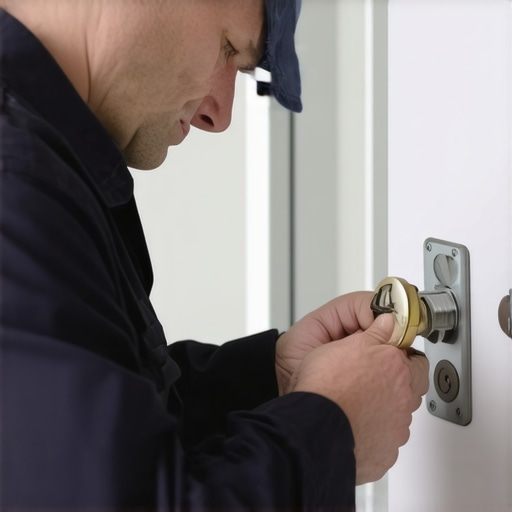
My First Encounter with a Lock Emergency: A Wake-Up Call
It all started on a rainy Monday morning when I found myself locked out of my office. As a small business owner, I knew the importance of reliable security, but that day, I realized how crucial it is to have a trustworthy locksmith. That experience motivated me to dive deeper into the world of commercial lock systems and understand what makes a locksmith truly dependable.
Why I Chose Fast Locksmith for My Business Security Needs
After researching various options, I discovered Fast Locksmith. Their reputation for quick, reliable service and expertise in commercial deadbolt and lock systems impressed me. I appreciated their focus on tailored solutions that secure my business without compromising convenience.
Understanding Commercial Deadbolt & Lock System Solutions
From my experience, installing advanced deadbolt systems is vital for protecting commercial properties. As explained by security experts, a well-designed lock system acts as a formidable barrier against intruders. I learned that choosing the right deadbolt, such as high-security ANSI Grade 1 models, can significantly enhance my business security. For more insights, I checked out this guide on effective commercial lock systems.
What Makes a Locksmith Truly Reliable?
In my journey, I discovered that reliability hinges on several factors: promptness, professionalism, and expertise. Fast Locksmith’s team consistently arrives on time, offers transparent pricing, and demonstrates a deep understanding of advanced lock technologies. Their ability to quickly assess and implement deadbolt solutions reassures me that my business is in safe hands. According to trusted locksmith tips, having a locksmith who stays current with the latest security innovations is essential.
How Do I Know if My Deadbolt Security is Up to Par?
This is a question I often asked myself. The truth is, security isn’t just about installing a lock; it’s about understanding its strength and suitability for your specific needs. I learned to evaluate deadbolt quality by checking for ANSI grading, installation accuracy, and whether the lock features anti-drill and pick-resistant properties. Curious about deeper insights? I recommend exploring this comprehensive guide.
How Can I Ensure My Business Lock System Remains Secure Over Time?
Regular maintenance and timely upgrades are key. I schedule periodic lock inspections and consult with trusted locksmiths to stay ahead of potential vulnerabilities. Sharing your experiences or asking questions in the comments can also help others learn from your journey.
If you’re considering upgrading your commercial lock systems, don’t hesitate to reach out to trusted professionals. Protecting your business starts with the right deadbolt solutions and a reliable locksmith by your side. Feel free to explore more about top security tips and share your own experiences below!
The Secret to Long-Lasting Deadbolt Security: Expert Maintenance Strategies
Keeping your commercial deadbolt system in top shape isn’t just about initial installation; it’s an ongoing process that requires vigilance and expert knowledge. Regular maintenance can prevent unexpected lockouts and ensure your security measures remain effective over time. One key aspect is scheduling periodic inspections with trusted locksmiths who understand the nuances of high-security lock systems, such as those detailed in this comprehensive guide.
Are My Lock Systems Really Secure Without Routine Checkups?
Many business owners underestimate the importance of routine lock assessments. Over time, factors like wear and tear, environmental conditions, or attempted tampering can compromise even the most robust deadbolt locks. For example, corrosion in coastal areas or frequent unauthorized lockouts can weaken the locking mechanism, making it vulnerable to intruders. Expert locksmiths can identify these vulnerabilities early, recommending timely upgrades or repairs, such as trusted repair tips.
Advanced Upgrades for Future-Proof Security
Beyond routine checks, integrating technological advancements into your lock system can significantly elevate your security posture. Smart deadbolts, for example, offer remote access control, audit trails, and temporary access codes—features that traditional locks cannot provide. Implementing such solutions requires careful planning and expert consultation to ensure compatibility with your existing security infrastructure. For more insights on integrating modern systems, visit this resource on advanced deadbolt solutions.
How Can I Educate My Staff About Lock Security Best Practices?
Empowering your team with knowledge about lock security is crucial. Simple practices, like not sharing access codes, reporting suspicious activity, and understanding emergency procedures for lockouts, can make a substantial difference. Regular training sessions, or even quick refresher courses from professional locksmiths, can reinforce these habits. Sharing your experiences or asking for staff feedback in the comments can foster a security-conscious culture within your organization.
For more tailored advice or to explore innovative lock security strategies, consider reaching out to experts who stay current with evolving threats and technologies. Remember, maintaining your business’s security is an ongoing effort that combines expert knowledge, regular maintenance, and staff awareness. If you want to stay ahead of potential vulnerabilities, explore additional tips and resources at top security tips and share your own best practices in the comments below!
Reflections on Building a Resilient Lock System: Beyond the Basics
Over the years, my journey with commercial deadbolt security has evolved from simple installations to understanding the intricate layers that make a lock truly secure. One thing I’ve learned is that the devil is in the details—every component, from the strike plate to the cylinder, plays a pivotal role in fortifying a business against threats. My experience has shown that investing in high-grade, ANSI Grade 1 deadbolts is just the start; regular assessments and upgrades are essential to maintaining that armor. For those interested in elevating their security game, I recommend exploring this guide on commercial lock systems.
The Hidden Complexities of Lock Aging and Material Degradation
One surprisingly overlooked aspect is how environmental factors accelerate lock wear. For example, in coastal areas, salt air can corrode metal parts, weakening the deadbolt’s internal mechanisms. I’ve seen locks that seemed perfectly secure initially but became vulnerable after a few years just because of environmental exposure. This taught me the importance of choosing locks made from corrosion-resistant materials and scheduling proactive maintenance. Regular inspections can reveal early signs of deterioration, allowing timely replacements before a breach occurs. If you’re curious about how to identify and address these issues, trusted repair tips can shed more light on best practices.
Can Smart Lock Technologies Truly Future-Proof Your Business Security?
As technology advances, integrating smart deadbolts into your security infrastructure becomes a fascinating, yet complex, decision. These intelligent locks offer features like remote access, audit logs, and temporary codes, which add layers of control and flexibility. However, I’ve found that implementing such systems requires meticulous planning—ensuring compatibility, cybersecurity safeguards, and staff training. The potential benefits are significant, but so are the risks if not properly managed. From my perspective, smart locks should complement a layered security approach, not replace fundamental physical security measures. For an in-depth look at integrating these modern solutions, I recommend visiting this resource on advanced deadbolt solutions.
How Do I Cultivate a Culture of Security Awareness Among My Staff?
One of the most rewarding aspects of my journey has been witnessing how staff training can significantly reduce vulnerabilities. Practical education—such as understanding the importance of not sharing access codes, recognizing suspicious activity, and practicing proper lockout procedures—has a profound impact. I’ve found that involving staff in security drills and providing quick, professional training sessions from locksmith experts helps embed these habits into daily routines. The key is fostering an environment where everyone feels responsible for security, turning it from a chore into a shared commitment. If you’re interested in elevating your team’s awareness, consider consulting this guide on auto lockout solutions for actionable insights.
Remember, maintaining strong deadbolt security isn’t a one-time effort; it’s an ongoing process that benefits from continuous learning and adaptation. I invite you to share your experiences or ask questions below—together, we can build safer, more resilient business environments. For further tips and expert advice, explore top security tips and keep pushing the boundaries of what your security system can achieve.
Unraveling the Intricacies of Lock Material Durability and Longevity
One of the most overlooked aspects of maintaining a resilient lock system is understanding how environmental factors influence material degradation over time. For instance, in coastal regions, the pervasive presence of salt air accelerates corrosion, compromising even high-grade deadbolts that initially seemed impervious. To mitigate this, selecting locks constructed from corrosion-resistant materials like stainless steel or brass can significantly extend their operational lifespan. Regular inspections, especially after severe weather events, are crucial for early detection of wear and tear, allowing timely intervention before vulnerabilities emerge. For insights into selecting durable lock components, refer to trusted repair tips.
Synergizing Traditional Security with Cutting-Edge Smart Lock Technologies
The integration of smart deadbolts into your security infrastructure represents a paradigm shift in business protection. These intelligent locks offer remote control, activity logs, and temporary access codes—features that bolster security and operational efficiency. However, the decision to adopt such technology demands meticulous planning. Ensuring cybersecurity safeguards, compatibility with existing systems, and comprehensive staff training are essential steps. I’ve observed that smart locks work best as part of a layered security approach, complementing physical measures rather than replacing them. For a comprehensive overview on seamlessly integrating these advanced solutions, explore this resource on advanced deadbolt solutions.
Fostering a Culture of Vigilance: Training and Empowering Your Team
Creating an organizational environment where security awareness is ingrained can drastically reduce vulnerabilities. Regular training sessions, led by professional locksmiths or security consultants, can instill best practices such as safeguarding access codes, recognizing suspicious behaviors, and executing proper lockout procedures. Incorporating real-world scenarios and hands-on drills enhances retention and responsiveness. I encourage business owners to view staff education as an ongoing process—updating protocols as new threats and technologies emerge. Sharing your experiences or seeking peer feedback in community forums can reinforce these habits and foster collective responsibility. For actionable strategies, consult this guide on auto lockout solutions.
Deciphering the Complexities of Lock Lifecycle and Predictive Maintenance
Understanding the lifecycle of your deadbolt systems is vital for proactive security management. Factors like material quality, environmental exposure, and frequency of use influence wear rates. Implementing predictive maintenance—using data-driven assessments—can preempt failures. For example, integrating sensor-based diagnostics can alert you to internal component degradation before a lock becomes compromised. This approach aligns with the principles outlined in this comprehensive guide and exemplifies a forward-thinking security philosophy. Regularly scheduled inspections and leveraging technological innovations enable your business to stay one step ahead of potential breaches.
Expert Tips for Customizing Your Security Ecosystem
Every business has unique vulnerabilities and operational demands. Tailoring your lock system involves assessing risk levels, access control needs, and environmental conditions. For instance, installing anti-pick and anti-drill features in high-risk areas can add layers of defense. Additionally, employing multi-factor authentication—combining physical deadbolts with biometric or electronic verification—can drastically improve security integrity. Collaborate with specialists to design a bespoke security ecosystem that adapts to your evolving needs. I recommend exploring top security tips and sharing your customization strategies within professional networks.
Remember, elevating your deadbolt security is an ongoing journey that benefits from continuous learning, technological adaptation, and staff engagement. Feel free to share your insights or ask questions—together, we can forge stronger defenses for your enterprise. For further expert guidance, explore top security tips and join the conversation.
Things I Wish I Knew Earlier: Surprising Truths About Deadbolt Security
1. The Material Matters More Than You Think
Early on, I assumed that all deadbolts were pretty much the same, but I quickly learned that choosing the right material, like stainless steel or brass, makes a huge difference, especially in harsh environments. This insight came after I replaced a lock that corroded prematurely due to coastal salt air, reminding me that investing in high-quality materials saves money and stress over time.
2. Regular Maintenance Is Your Best Defense
I used to think once a lock was installed, it would last forever. Not true! Regular inspections and lubrication can prevent unexpected lockouts and keep your deadbolt functioning smoothly. I schedule a quick check every year, which has paid off in peace of mind.
3. Environmental Factors Accelerate Wear
Being in a coastal area, I saw firsthand how salt air can cause corrosion, weakening even the best deadbolts. Choosing corrosion-resistant locks and scheduling proactive maintenance are crucial steps to ensure your security system stays resilient.
4. Upgrading to Smart Locks Adds Layers of Security
Smart deadbolts with remote access and audit logs have transformed my approach to security. While they aren’t a replacement for physical robustness, integrating these features can provide added control and peace of mind when managed properly.
5. Staff Training Makes a Difference
Empowering my team with basic security practices, like not sharing access codes and recognizing suspicious activity, has enhanced our overall safety. Regular training sessions keep everyone vigilant and responsible.
6. The Devil Is in the Details
From strike plates to the cylinder quality, paying attention to every component strengthens your lock system. Investing in ANSI Grade 1 deadbolts and professional installation can dramatically boost your security posture.
Resources I’ve Come to Trust Over Time
- Pro Locksmith Co. – Their comprehensive guides and expert advice have been invaluable, especially on selecting durable materials and understanding lock mechanisms.
- Security Magazine – Offers up-to-date insights on the latest lock technology and security trends, helping me stay informed about emerging threats and solutions.
- National Locksmith Association – Their standards and certifications ensure that I follow best practices and choose reliable products and services.
Parting Thoughts from My Perspective
In my experience, reliable deadbolt security isn’t just about installing a high-quality lock; it’s about ongoing maintenance, understanding environmental influences, and leveraging technology wisely. Investing time and resources into regular inspections and staff training creates a resilient defense that adapts to evolving threats. If this resonates with you, I’d love to hear your own experiences or tips—sharing our knowledge helps build safer communities. Remember, your security is an ongoing journey, not a one-time setup. Keep learning, stay vigilant, and don’t hesitate to reach out to trusted professionals for guidance. Together, we can make our spaces safer and more secure.


Reading through your journey with lock security really resonated with me. I’ve experienced a similar situation where a routine check could have prevented a potential security breach. It’s interesting how environmental factors, especially in coastal areas, can silently undermine even the best deadbolt systems. I’ve found that switching to corrosion-resistant materials like stainless steel has made a noticeable difference in durability. Your mention of staff training also struck a chord; empowering employees with basic security practices genuinely strengthens overall protection. In my opinion, combining physical upgrades with technological solutions, like smart locks, offers a layered defense, but it’s crucial to stay vigilant against cyber vulnerabilities. What has been your biggest challenge in convincing other team members or management to prioritize ongoing lock maintenance and upgrades? I’d love to hear more about how you’ve tackled that aspect in your business.
Your experience with the lockout situation truly highlights how vital quick and reliable locksmith services are, especially for small businesses. It’s interesting how such a simple incident can serve as a wake-up call to reevaluate and strengthen overall security measures. From what you’ve shared, I completely agree that investing in high-quality, ANSI Grade 1 deadbolts and regular maintenance can make a substantial difference, particularly in demanding environments or coastal areas where corrosion might be an issue. I’ve found that proactive measures, like scheduling routine inspections and staff training, significantly reduce vulnerabilities. Has your team considered integrating smart lock systems for even more control and monitoring? While they can add layers of security, I believe they work best when combined with traditional physical measures. I’d love to hear your thoughts on adopting new technologies and how you plan to stay ahead of potential security threats in your business.
Your story really highlights the importance of having a trusted locksmith like Fast Locksmith, especially when faced with unexpected lockouts. It’s a good reminder for all of us to invest in high-quality deadbolt systems and ensure they are properly maintained regularly. From your experience, it seems that choosing the right materials, like corrosion-resistant options, can make a big difference—particularly in coastal environments where salt air can accelerate wear. I’ve also found that staff training on security protocols can play a vital role in preventing vulnerabilities, especially during busy or stressful situations. It’s interesting to consider how integrating newer technologies, such as smart locks, might complement traditional deadbolts. Do you see smart locks as an essential part of future-proofing your safety measures, or do you prefer sticking to physical systems for now? Would love to hear your thoughts on balancing tech upgrades with tried-and-true security practices.
Your detailed recounting of your experience really emphasizes the importance of not just choosing high-quality deadlocks but also maintaining them proactively. It’s interesting how environmental factors, like salt air in coastal regions, can silently erode even the sturdiest locks over time if not properly managed. I’ve personally seen how regular inspections and using corrosion-resistant materials like stainless steel can extend lifespan and keep your security tight. I agree with your point on staff training; simple practices like reporting suspicious signs or understanding lockout procedures can significantly bolster security. It makes me curious—have you considered integrating electronic or smart locks alongside traditional deadbolts? Such tech can add a new layer of control and monitoring but also require proper cybersecurity measures. What do you think about balancing these technological upgrades with physical security methods to future-proof your business?