
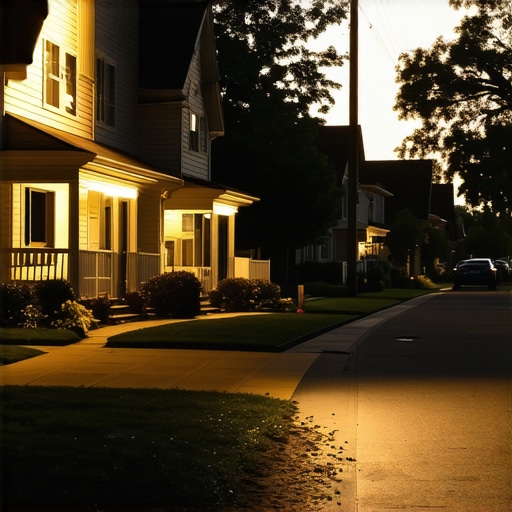
The Reality of Residential Vulnerability
I have spent twenty-five years at my bench, surrounded by the smell of brass shavings and the tactile resistance of heavy steel. A lady came into my shop crying because a scammer drilled her lock and charged her six hundred bucks for a ten-dollar deadbolt. This is the reality of the locksmith industry today: it is flooded with trunk slammers who do not understand the physics of a shear line. Security is not a product you buy at a big box store; it is a calculated resistance against physical force. Most homeowners are relying on hardware made of die-cast zinc, which has the structural integrity of a soda can when faced with a cordless drill or a heavy boot. To truly protect a home, you must move beyond the basic hardware and implement strategies that address the mechanical weaknesses burglars exploit every single day.
“Security is always a trade-off between convenience and protection.” – Industry Axiom
1. Implementing High-Security Euro Cylinder Locks
In many modern homes, particularly those with UPVC or composite doors, the cylinder is the primary point of failure. Standard cylinders are prone to snapping, a technique where a burglar applies torque to the protruding part of the lock until it breaks at its thinnest point: the screw hole. To combat this, we look at high-security euro cylinder locks featuring sacrificial snap lines. These locks are engineered with a calculated weak point at the front of the cylinder. When an intruder attempts to snap it, only the outer portion breaks away, leaving the actual locking cam and internal mechanism protected within the door. Internally, these cylinders utilize a complex array of pins. We are talking about six or seven active pins combined with sidebars and magnetic elements. The tolerances in these high-security units are measured in thousandths of an inch. When a key is inserted, the pins must lift to a precise height to allow the plug to rotate. If a pin is off by even the width of a human hair, the shear line remains blocked. For 2026, many of these cylinders also integrate hardened steel anti-drill plates and ceramic pins that chew up cobalt drill bits, making traditional destructive entry nearly impossible for a common thief.
2. The Transition to Commercial Restricted Keyways
Most residential locks use common keyways like SC1 or KW1, which means any hardware store can duplicate your keys. This is a massive security leak. The most effective neighborhood security move is the adoption of commercial restricted keyways for residential use. A restricted keyway is protected by utility patents. This means the key blanks are not sold to the general public or local hardware stores; only the locksmith who installed the system can cut the keys. From a mechanical standpoint, restricted cylinders often utilize a sidebar mechanism. This is a secondary locking bar that must be pushed into a specific channel by a unique milling on the side of the key. Even if a burglar manages to bump or pick the main pin-tumbler set, the sidebar remains engaged, preventing the plug from turning. This level of key control ensures that even if you lend a key to a contractor or a neighbor, they cannot make a secret copy. This is the standard for commercial security, and bringing it to your front door creates a formidable barrier against unauthorized access.
3. Strengthening the Physical Envelope
A lock is only as strong as the frame it is attached to. I often see high-end deadbolts installed with three-quarter inch screws that only penetrate the soft wood of the door jamb. During a kick-in attempt, the wood splits long before the lock fails. To prevent this, you must upgrade to an ANSI Grade 1 strike plate secured with three-inch hardened steel screws that reach the structural 2×4 studs of the house. This transforms the door from a flimsy barrier into a integrated part of the home’s structure. Furthermore, consider the garage. Garage door lock upgrades 2026 focus on electronic deadbolts that integrate with the opener. Many burglars use the fishing technique, where they reach a coat hanger through the top of the door to pull the emergency release. Installing a shielded release mechanism or a dedicated side-mounted deadbolt prevents this. For those dealing with the aftermath of a crime, emergency lock changes after break-in should always include a full audit of the strike plates and hinges. If the hinges are on the outside, you need security studs to prevent the door from being lifted out of the frame entirely once the hinge pins are pulled.
“Physical security is the first line of defense; if the hardware fails, the most advanced software is useless.” – Security Standards Manual
4. Smart Integration and 2026 Wireless Protocols
We are moving into an era where digital and physical security must coexist. However, I caution against the cheap, cloud-dependent junk found online. When looking for budget smart lock starter kits, prioritize those that use 2026 wireless lock protocols explained as local-first communication. Matter and Thread are the new standards. Unlike older Bluetooth or Wi-Fi locks that rely on a manufacturer’s server, Thread-enabled locks communicate directly with your local hub. This reduces latency and eliminates the risk of a lockout if your internet goes out. From a locksmithing perspective, the best smart locks are those that act as an electronic deadbolt but still allow for a high-security mechanical override. This hybrid approach ensures that if the electronics fail, you still have a physical shear line to interact with. When we talk about emergency residential lockout solutions, having a smart lock with a physical key backup is the only way to ensure you are never truly stuck outside. These systems should be configured with rolling codes and AES-128 encryption to prevent signal jamming or replay attacks that tech-savvy burglars are starting to use in urban areas.
5. Proactive Maintenance and Avoiding Lockouts
One of the most common calls I get is for a seized lock. People think a lock is a static object, but it is a machine with moving parts. Over time, the springs lose tension and the brass pins wear down, creating microscopic burrs that catch inside the chambers. To learn how to prevent future house lockouts, you must understand lubrication. Never use WD-40 or grease; these attract dust and turn into a sticky paste that freezes the pins in the housing. Instead, use a dry PTFE-based lubricant or high-grade graphite. Apply it once a year to the keyway and work the key in and out to distribute the particles. In urban environments, locksmith costs in urban areas 2026 are rising due to fuel and specialized tool requirements, so spending ten minutes on maintenance can save you a three-hundred-dollar emergency call. If your key starts to feel crunchy or requires jiggling, the pins are likely failing or the plug is misaligned. Addressing these small mechanical signals before they lead to a total failure is the hallmark of a smart homeowner. We provide comprehensive commercial and residential audits to catch these issues before they become emergencies. Remember, a lock is a physics puzzle, and a little bit of preventative maintenance ensures the puzzle only solves for the person holding the right key.