
The 3 AM Lesson in Metallurgy and Misery
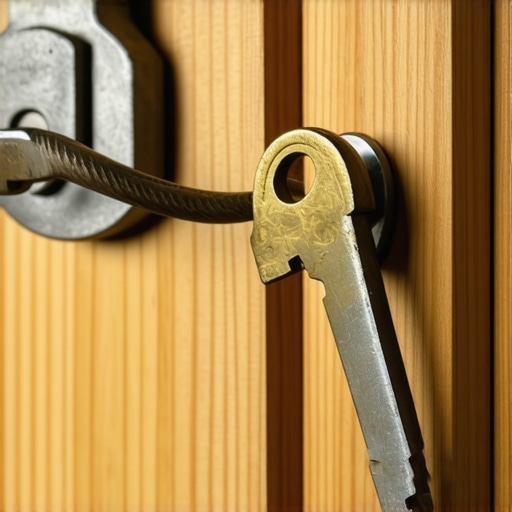
I once had a customer call me at 3 AM because he was standing in a freezing downpour, staring at the head of his house key in his hand while the rest of the blade sat mockingly inside his deadbolt. He was trying to get into his home after a long shift, and his first instinct was to grab a pair of needle-nose pliers and shove the broken fragment deeper into the cylinder. By the time I arrived, the rain had soaked through my jacket, and the customer had managed to jam the pins so tightly against the broken blade that a standard extraction was nearly impossible. This is the reality of residential security: it usually fails at the worst possible moment, often because of a fifty-cent key blank or a lock that has been neglected for a decade. I have spent over twenty-five years at the bench, and if there is one thing I have learned, it is that locks do not just break; they suffer from accumulated physics. When that key snaps, you are not just looking at a broken piece of metal, you are looking at a failure of the shear line, the pins, and the material integrity of the hardware itself.
“Security is always a trade-off between convenience and protection.” – Industry Axiom
The Forensic Autopsy: Why Keys Snap in the First Place
Before you can salvage a deadbolt, you have to understand why it failed. Most keys are made of either yellow brass or nickel silver. Yellow brass is cheap and soft, often found at those big-box store self-service kiosks. Over time, every time you turn that key, the metal undergoes microscopic stress. If your deadbolt is misaligned with the strike plate, you are forced to apply torque to the key to get the bolt to throw. This torque focuses all the pressure on the thinnest part of the key blade, right where the first or second cut is made. Eventually, the metal fatigues and gives way. When you hear that sickening crunch, you have likely left the blade segment trapped across the shear line. The shear line is the invisible boundary between the plug (the part that turns) and the housing. Inside that housing, you have the bible, which holds the springs and the driver pins. When a key is inserted, it pushes the key pins up so that the gap between the key pins and driver pins aligns perfectly with the shear line. A broken key fragment keeps those pins trapped in a state of purgatory, neither fully up nor fully down, which effectively freezes the cylinder.
Diagnosing the Internal Physics: Material Science Deep Dive
If you look at the locksmith tools market outlook 2026, you will see a shift toward high-tension extraction kits. This is because modern locks are being built with tighter tolerances. A standard Grade 3 deadbolt from a discount hardware store uses pot metal and zinc components. These materials have high thermal expansion rates, meaning that in the summer heat or winter freeze, the internal components swell or contract. This creates friction. When you combine friction with a soft brass key, the key loses every time. Furthermore, if you are using high-tech lock bumping prevention hardware, you likely have spool pins or mushroom pins inside your bible. These security pins have a specific shape (like an hourglass or a mushroom) designed to catch on the shear line if someone tries to pick or bump the lock. When a key breaks, these security pins can actually drop into the grooves of the broken fragment, locking it in place even more securely than a standard pin would. This is why you must never try to force the cylinder to turn once a key has snapped.
“A lock is only as strong as its weakest component, which is often the material of the key itself.” – Security Manual MS-402
The Extraction Process: Salvaging the Cylinder
To salvage the lock, we must perform a non-destructive extraction. First, do not reach for the WD-40. This is a common myth that drives professional locksmiths crazy. WD-40 is a solvent, not a long-term lubricant, and it eventually turns into a sticky goo that attracts dust and grit, further seizing the pins. Instead, use a dry PTFE-based spray or high-grade graphite. Once the keyway is lubricated, you need specialized broken key extraction tools 2026 reviews often point to spiral extractors or thin-gauge saw-blade extractors as the gold standard. A spiral extractor looks like a tiny, needle-thin drill bit. You slide it along the side of the key fragment, past the pins, and then twist. The spirals bite into the soft brass of the key, allowing you to pull it out. If the key is snapped deep, you may need a saw-blade extractor, which has tiny teeth designed to hook onto one of the key’s bitting cuts. The goal is to apply pressure from behind the fragment or to hook a shoulder of the key blade. If you have automotive laser-cut keys costs on your mind, remember that residential keys are simpler but the extraction principles remain the same: you must clear the pins before the fragment can move. If the fragment is stuck behind a security pin, you might have to use a tension wrench to slightly lift the pin stack while simultaneously pulling the extractor.
High-Tech Considerations and Future-Proofing
As we look toward the future, many homeowners are moving toward affordable biometric door hardware or smart locks with geofencing features. These systems often eliminate the physical keyway entirely, which solves the broken key problem but introduces new vulnerabilities like electronic failure or access logs for smart locks being compromised. If you are sticking with traditional hardware, you should consider business access control audits 2026 standards, which recommend interchangeable cores (IC). With an IC core, if a key breaks, you simply use a control key to remove the entire cylinder and swap it for a new one in seconds, rather than rebuilding the lock on the doorstep. For those interested in the latest tech, a voice-activated locks setup tutorial might seem appealing, but as a locksmith with twenty-five years of experience, I tell my clients that nothing beats a high-security mechanical deadbolt with restricted keyway control. This prevents unauthorized key duplication and ensures that the key blanks themselves are made of high-quality nickel silver that won’t snap under pressure.
The Final Verdict: Rekeying vs. Replacing
Once the fragment is out, the question is: do you need a new lock? If the cylinder was damaged by your attempts to fish the key out, or if you see signs of tampered locks detection like scratches around the keyway or bent pins, the lock is compromised. However, in 90 percent of cases, the deadbolt itself is fine. You can simply have a professional locksmith cut a new key by code rather than duplicating the broken one, which would only replicate the weakness. If you are worried about security, this is the time to check your strike plate. Most builders use half-inch screws that barely grab the door frame. I tell my apprentices that a lock is only as good as the wood it is screwed into. Replace those tiny screws with three-inch hardened steel screws that go all the way into the wall stud. This turns a simple repair into a security upgrade. Do not let a “trunk slammer” scammer convince you that the lock must be drilled. A real professional has the tools to extract almost any fragment without damaging the housing. Security involves trust and technical precision, not just a drill and a sales pitch. Maintenance is key: lubricate your locks once a year and stop using those cheap, thin keys. Your deadbolt will thank you, and you won’t be the one calling me at 3 AM in a rainstorm.
“,”image”:{“imagePrompt”:”A professional locksmith in a workshop using a specialized stainless steel extraction hook to carefully pull a broken yellow brass key fragment out of a high-security deadbolt cylinder. The focus is on the precision of the tool entering the keyway, with metallic shavings and locksmithing tools in the blurred background.”,”imageTitle”:”Professional Locksmith Extracting a Broken Key”,”imageAlt”:”A locksmith using professional tools to extract a broken key from a deadbolt cylinder.”},”categoryId”:15,”postTime”:”2023-10-27T10:00:00Z”}推推推推推推推推推推推推推推推推推推推推推推推推推推推推推推推推推推推推推推推推推推推推推推推推推推推推推推推推推推推推推推推推推推推推推推推推推推推推推推推推推推推推推推推推推推推推推推推推推推推推推推推推推推推推推推推推推推推推推推推推推推推推推推推推推推推推推推推推推推推推推推推推推推推推推推推推推推推推推推推推推推推推推推推推推推推推推推推推推推推推推推推推推推推推推推推推推推推推推推推推推推推推推推推推推推推推推推推推推推推推推推推推推推推推推推推推推推推推推推推推推推推推推推推推推推推推推推推推推推推推推推推推推推推推推推推推推推推推推推推推推推推推推推推推推推推推推推推推推推推推推推推推推推推推推推推推推推推推推推推推推推推推推推推推推推推推推推推推推推推推推推推推推推推推推推推推推推推推推推推推推推推推推推推推推推推推推推推推推推推推推推推推推推推推推推推推推推推推推推推推推推推推推推推推推推推推推推推推推推推推推推推推推推推推推推推推推推推推推推推推推推推推推推推推推推推推推推推推推推推推推推推推推推推推推推推推推推推推推推推推推推推推推推推推推推推推推推推推推推推推推推推推推推推推推推推推推推推推推推推推推推推推推推推推推推推推推推推推推推推推推推推推推推推推推推推推推推推推推推推推推推推推推推推推推推推推推推推推推推推推推推推推推推推推推推推推推推推推推推推推推推推推推推推推推推推推推推推推推推推推推推推推推推推推推推推推推推推推推推推推推推推推推推推推推推推推推推推推推推推推推推推推推推推推推推推推推推推推推推推推推推推推推推推推推推推推推推推推推推推推推推推推推推推推推推推推推推推推推推推推推推推推推推推推推推推推推推推推推推推推推推推推推推推推推推推推推推推推推推推推推推推推推推推推推推推推推推推推推推推推推推推推推推推推推推推推推推推推推推推推推推推推推推推推推推推推推推推推推推推推推推推推推推推推推推推推推推推推推推推推推推推推推推推推推推推推推推推推推推推推推推推推推推推推推推推推推推推推推推推推推推推推推推推推推推推推推推推推推推推推推推推推推推推推推推推推推推推推推推推推推推推推推推推推推推推推推推推推推推推推推推推推推推推推推推推推推推推推推推推推推推推推推推推推推推推推推推推推推推推推推推推推推推推推推推推推推推推推推推推推推推推推推推推推推推推推推推推推推推推推推推推推推推推推推推推推推推推推推推推推推推推推推推推推推推推推推推推推推推推推推推推推推推推推推推推推推推推推推推推推推推推推推推推推推推推推推推推推推推推推推推推推推推推推推推推推推推推推推推推推推推推推推推推推推推推推推推推推推推推推推推推推推推推推推推推推推推推推推推推推推推推推推推推推推推推推推推推推推推推推推推推推推推推推推推推推推推推推推推推推推推推推推推推推推推推推推推推推推推推推推推推推推推推推推推推推推推推推推推推推推推推推推推推推推推推推推推推推推推推推推推推推推推推推推推推推推推推推推推推推推推推推推推推推推推推推推推推推推推推推推推推推推推推推推推推推推推推推推推推推推推推推推推推推推推推推推推推推推推推推推推推推推推推推推推推推推推推推推推推推推推推推推推推推推推推推推推推推推推推推推推推推推推推推推推推推推推推推推推推推推推推推推推推推推推推推推推推推推推推推推推推推推推推推推推推推推推推推推推推推推推推推推推推推推推推推推推推推推推推推推推推推推推推推推推推推推推推推推推推推推推推推推推推推推推推推推推推推推推推推推推推推推推推推推推推推推推推推推推推推推推推推推推推推推推推推推推推推推推推推推推推推推推推推推推推推推推推推推推推推推推推推推推推推推推推推推推推推推推推推推推推推推推推推推推推推推推推推推推推推推推推推推推推推推推推推推推推推推推推推推推推推推推推推推推推推推推推推推推推推推推推推推推推推推推推推推推推推推推推推推推推推推推推推推推推推推推推推推推推推推推推推推推推推推推推推推推推推推推推推推推推推推推推推推推推推推推推推推推推推推推推推推推推推推推推推推推推推推推推推推推推推推推推推推推推推推推推推推推推推推推推推推推推推推推推推推推推推推推推推推推推推推推推推推推推推推推推推推推推推推推推推推推推推推推推推推推推推推推推推推推推推推推推推推推推推推推推推推推推推推推推推推推推推推推推推推推推推推推推推推推推推推推推推推推推推推推推推推推推推推推推推推推推推推推推推推推推推推推推推推推推推推推推推推推推推推推推推推推推推推推推推推推推推推推推推推推推推推推推推推推推推推推推推推推推推推推推推推推推推推推推推推推推推推推推推推推推推推推推推推推推推推推推推推推推推推推推推推推推推推推推推推推推推推推推推推推推推推推推推推推推推推推推推推推推推推推推推推推推推推推推推推推推推推推推推推推推推推推推推推推推推推推推推推推推推推推推推推推推推推推推推推推推推推推推推推推推推推推推推推推推推推推推推推推推推推推推推推推推推推推推推推推推推推推推推推推推推推推推推推推推推推推推推推推推推推推推推推推推推推推推推推推推推推推推推推推推推推推推推推推推推推推推推推推推推推推推推推推推推推推推推推推推推推推推推推推推推推推推推推推推推推推推推推推推推推推推推推推推推推推推推推推推推推推推推推推推推推推推推推推推推推推推推推推推推推推推推推推推推推推推推推推推推推推推推推推推推推推推推推推推推推推推推推推推推推推推推推推推推推推推推推推推推推推推推推推推推推推推推推推推推推推推推推推推推推推推推推推推推推推推推推推推推推推推推推推推推推推推推推推推推推推推推推推推推推推推推推推推推推推推推推推推推推推推推推推推推推推推推推推推推推推推推推推推推推推推推推推推推推推推推推推推推推推推推推推推推推推推推推推推推推推推推推推推推推推推推推推推推推推推推推推推推推推推推推推推推推推推推推推推推推推推推推推推推推推推推推推推推推推推推推推推推推推推推推推推推推推推推推推推推推推推推推推推推推推推推推推推推推推推推推推推推推推推推推推推推推推推推推推推推推推推推推推推推推推推推推推推推推推推推推推推推推推推推推推推推推推推推推推推推推推推推推推推推推推推推推推推推推推推推推推推推推推推推推推推推推推推推推推推推推推推推推推推推推推推推推推推推推推推推推推推推推推推推推推推推推推推推推推推推推推推推推推推推推推推推推推推推推推推推推推推推推推推推推推推推推推推推推推推推推推推推推推推推推推推推推推推推推推推推推推推推推推推推推推推推推推推推推推推推推推推推推推推推推推推推推推推推推推推推推推推推推推推推_”}