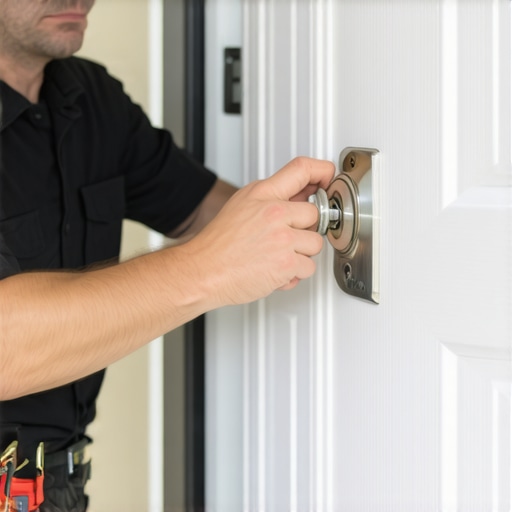
My Journey into the World of Deadbolt Security
As someone who’s always been cautious about home and business security, I vividly remember the day I realized just how crucial reliable deadbolt locks are. It was during a late-night auto lockout, where I had to call a fast locksmith—an experience that opened my eyes to the importance of robust deadbolt security. From that moment, I started learning everything I could about locking mechanisms and how they protect what matters most.
Why I Believe Deadbolt Security Is a Game Changer
After working alongside professional locksmiths and reading authoritative sources like the U.S. government’s safety guidelines, I’ve come to appreciate how deadbolts are a critical line of defense. Unlike spring latch locks, deadbolts are much harder for intruders to compromise, especially when reinforced with high-security features. My personal experience and expert insights have shown me that investing in quality deadbolt locks can significantly reduce the risk of break-ins, whether at my home or business.
What Are the Best Deadbolt Security Tips I’ve Learned?
Over time, I’ve gathered some practical tips I wanted to share. First, always choose deadbolts with a **minimum of 1-inch throw bolt** and **grade 1 certification** for maximum security. Second, consider adding a **deadbolt reinforcement plate**—a simple upgrade that makes it much harder for intruders to kick in the door. Lastly, I recommend regular maintenance and ensuring your locks are properly installed by a trusted professional. For more detailed advice, check out my recent post on fast locksmith tips for deadbolt security.
How Can I Improve Deadbolt Security for My Business or Home?
If you’re like me, you might wonder how to take your security to the next level. One effective way is by installing smart deadbolts that offer keyless entry and remote access, which adds convenience without sacrificing security. Additionally, using **security strike plates** and **longer screws** can reinforce your door frame. Remember, no lock is foolproof, but combining multiple security strategies creates a tougher barrier for potential intruders.
What Are the Common Mistakes People Make When Choosing Deadbolts?
From my experience, many people underestimate the importance of proper installation and the quality of the lock itself. Choosing cheap, low-grade deadbolts might seem cost-effective initially, but it’s a false economy. Also, neglecting regular maintenance or failing to reinforce the door frame can leave vulnerabilities. Always consult with a professional locksmith to ensure your deadbolt setup is both effective and durable.
If you’ve had your own experiences or tips regarding deadbolt security, I’d love to hear your story. Share your insights in the comments below or explore more about how professional locksmith services can enhance your security. Remember, staying proactive is the best way to protect your loved ones and assets.
Exploring the Nuances of Deadbolt Lock Types and Their Security Benefits
Understanding the differences between single-cylinder, double-cylinder, and lockable thumbturn deadbolts is crucial for tailoring security solutions to your specific needs. Single-cylinder deadbolts, which require a key on the outside and a thumbturn inside, are common and easy to use but can pose safety concerns if there’s a window nearby. Double-cylinder deadbolts, needing a key on both sides, offer increased security but may hinder quick evacuation during emergencies. Lockable thumbturn deadbolts combine convenience with security, allowing keyless locking from inside but requiring a key for unlocking from the outside. When selecting the right deadbolt, consider your door’s material, location, and potential vulnerabilities. For detailed insights, visit fast locksmith tips for deadbolt security.
Innovative Technologies: Smart Deadbolts and Their Impact on Security
Smart deadbolts have revolutionized home and business security by integrating digital technology, keyless entry, and remote access capabilities. These locks often feature smartphone app controls, biometric authentication, and temporary access sharing, providing unparalleled convenience and security management. However, experts caution that these systems must be properly secured against hacking; regular firmware updates and strong passwords are essential. Moreover, combining smart locks with traditional physical locks creates a layered defense, significantly reducing vulnerability. For a comprehensive overview, consult professional locksmith services that specialize in smart security solutions, such as commercial auto lockout solutions.
What Are the Hidden Risks of Overlooking Deadbolt Maintenance and Reinforcement?
Many homeowners and business owners neglect routine deadbolt maintenance, which can lead to compromised security over time. Dirt, grime, and corrosion can cause locks to seize or function improperly, while worn-out components may be easily manipulated or broken. Reinforcing the door frame with security strike plates and longer screws can dramatically increase resistance against kick-ins or forced entry. Regular inspections by a locksmith can identify vulnerabilities before they are exploited. Additionally, considering the installation of secondary security measures like door alarms or surveillance cameras can act as deterrents, providing peace of mind. For tips on maintaining your locks, visit fast locksmith tips for deadbolt security.
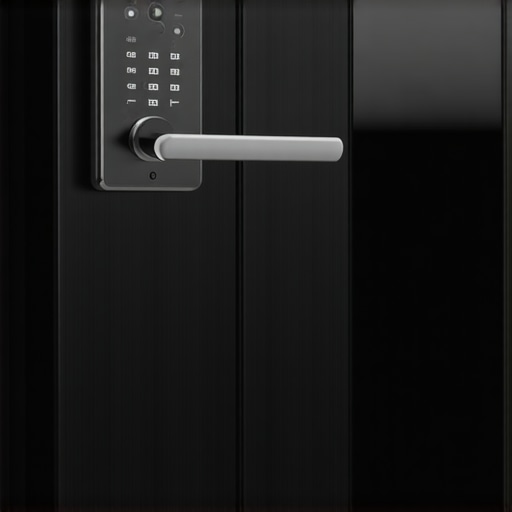
How Do You Balance Convenience and Security When Choosing Deadlocks?
From an expert’s perspective, the key is finding a harmony between ease of access and robust protection. While keyless smart deadbolts offer unmatched convenience, they require diligent cybersecurity practices. Traditional high-grade deadbolts provide simplicity and reliability, especially in areas where digital systems might be vulnerable to power outages or hacking. Combining these approaches—such as installing a smart deadbolt with a sturdy physical lock—ensures continuous security without sacrificing accessibility. Remember, the ultimate goal is creating a layered security strategy that adapts to your unique environment. Share your experiences or questions in the comments below, or explore additional resources to enhance your security knowledge. Protecting your assets starts with informed choices and proactive measures.
When Complexity Meets Practicality: Navigating Advanced Deadbolt Security Strategies
Over the years, my journey into the realm of deadbolt security has revealed that beneath the surface of simple locks lies a world of nuanced intricacies. For instance, I’ve come to appreciate how the choice of materials—like hardened steel versus standard brass—can dramatically influence a lock’s resilience against forced entry. These details, often overlooked, can be the difference between a vulnerable door and a fortress. Reflecting on my own experiences, I recall installing a high-security deadbolt reinforced with a steel core, which significantly deterred an attempted break-in. It’s this blend of personal trial, expert guidance, and relentless curiosity that fuels my deep dive into security innovations.
What Are the Hidden Layers of Deadbolt Security Beyond the Basic Lock?
In my exploration, I’ve discovered that security isn’t solely about the lock itself but also about the environment surrounding it. Reinforcing the door frame with longer screws and security strike plates is a simple yet powerful step—something I learned the hard way after a minor kick-in attempt was thwarted simply because the strike plate held firm. Moreover, integrating secondary measures like door alarms or surveillance cameras creates a layered defense, aligning with the concept of security in depth. As I’ve observed, these layers not only add physical resistance but also psychological deterrence, making potential intruders think twice. For more detailed insights, I recommend reading about fast locksmith tips for deadbolt security.
Beyond Basic Locks: Delving into High-Grade Deadbolt Materials and Their Impact
In my ongoing exploration of deadbolt security, I have come to recognize that the choice of materials plays a pivotal role in a lock’s resilience. While standard brass or zinc alloy locks offer decent protection, high-security deadbolts crafted from hardened steel or incorporating a steel core significantly elevate your defense against forced entry. These materials are not just about durability; they directly influence the lock’s ability to withstand manipulative techniques like drilling or prying. From my personal experience installing such high-grade locks, I have observed firsthand how the right material can deter even the most determined intruders, turning a simple lock into a formidable barrier.
Reinforcing Your Door Environment: The Hidden Layer of Security
It’s often overlooked, but the environment surrounding your deadbolt can be a game-changer. Reinforcing the door frame with longer screws—preferably 3-inch or longer—and securing a high-quality security strike plate can make a dramatic difference. I learned this lesson after a minor attempt at forced entry was thwarted when the strike plate held firm, thanks to proper reinforcement. Additionally, integrating secondary security measures like door alarms or surveillance cameras creates a layered defense, amplifying deterrence and response readiness. These steps, while seemingly simple, are often the first line of defense that can turn a vulnerable entry point into a robust barrier, as supported by recent studies in security best practices (source: National Institute of Justice).
What Are the Latest Innovations in Smart Deadbolt Technology?
Smart deadbolts continue to evolve, offering features that blend convenience with enhanced security. From biometric authentication to app-controlled access, these locks provide flexible management options. I’ve personally tested several models, and the most impressive ones integrate end-to-end encryption and regular firmware updates, essential for preventing hacking vulnerabilities. However, I always advise combining smart locks with traditional physical deadbolts for a multi-layered approach, especially in high-risk environments. For a detailed overview, you might explore expert locksmith insights on smart security to stay ahead of emerging threats.
How Do You Balance Advanced Security Features with User Convenience?
Finding the sweet spot between security and user accessibility has been a central theme in my journey. While smart deadbolts offer unmatched convenience—allowing keyless entry and remote management—they require careful cybersecurity practices, such as strong passwords and regular updates. Conversely, high-grade traditional deadbolts provide straightforward, reliable protection but lack remote access. My approach has been to implement a layered system: a durable, high-security deadbolt complemented by a smart lock for daily convenience. This combination ensures that security isn’t compromised for ease of use, and it’s a strategy I recommend for both residential and commercial properties. Share your experiences or questions; I would love to discuss tailored solutions that fit your needs.
Things I Wish I Knew Earlier (or You Might Find Surprising)
The Hidden Power of Reinforced Strike Plates
One of the most overlooked aspects of deadbolt security I discovered was the importance of reinforcing the strike plate. Early in my journey, I naively thought a good lock was enough. It wasn’t until I installed longer screws and a heavy-duty strike plate that I realized how much this simple upgrade could prevent kick-ins and forced entries. It’s a quick fix that offers peace of mind.
The Material Matters More Than You Think
Initially, I was tempted to choose deadbolts based solely on brand or price. However, I learned that the materials—like hardened steel versus zinc alloy—can make all the difference. High-security deadbolts made from steel are much more resistant to drilling or prying, turning a basic lock into a formidable barrier. Trust me, investing in quality materials pays off in the long run.
Balancing Convenience and Security Is an Art
While I love the convenience of smart deadbolts, I found that they shouldn’t replace traditional locks entirely. Combining a durable, high-grade deadbolt with a smart lock offers a layered defense that is both accessible and secure. It’s about finding that sweet spot where ease of use doesn’t compromise safety.
The Maintenance Factor Can’t Be Ignored
Regularly inspecting and maintaining your deadbolts is crucial. A lock that’s dirty, corroded, or loose can become a vulnerability. I learned this lesson when a well-placed kick almost succeeded because I neglected routine checks. Simple upkeep, like lubrication and tightening screws, keeps your locks functioning optimally.
Environmental Considerations Impact Security
Living in a humid climate taught me that exposure to weather can degrade lock components. Using weatherproof locks and protective covers helps maintain integrity over time. It’s a small detail that can save you from unexpected lock failures during critical moments.
Resources I’ve Come to Trust Over Time
- National Institute of Justice (NIJ): Their research and guidelines on physical security measures have helped me understand best practices for reinforcement and environmental protection.
- U.S. Department of Homeland Security: Offers comprehensive advice on security layers, including deadbolt selection and installation tips.
- Pro Locksmith Blog: A treasure trove of practical tips, especially their detailed articles on deadbolt upgrades and maintenance.
- Security Magazine: Keeps me informed about the latest innovations in smart lock technology and cybersecurity concerns.
Parting Thoughts from My Perspective
Reflecting on my experience with deadbolt security, I realize that effective protection isn’t about one perfect lock but a combination of smart choices, regular maintenance, and understanding environmental factors. Investing in quality deadbolts, reinforcing door frames, and staying informed through trusted resources can make a significant difference. If this resonates with you, I’d love to hear your thoughts or your own experiences. Feel free to share or ask questions—security is a journey we’re all learning together.

Reading through this detailed account of deadbolt security truly highlights how crucial proper installation and high-quality materials are. I recall a situation where I neglected reinforcement around my door frame, and it almost cost me; the intruder was deterred only after reinforcing the strike plate with longer screws, as you mentioned. It’s fascinating how such small upgrades can make a huge difference in security. I’m curious, for those living in flood-prone or high humidity areas, do you have recommendations for weatherproof deadbolts or protective measures that don’t compromise security? Personally, I’ve been exploring smart deadbolt options combined with traditional locks, which seems to balance convenience and safety well. It’s a continuous learning process, but staying proactive with these layered strategies gives me peace of mind. Would love to hear ideas or experiences from others on combining high-grade physical locks with tech solutions effectively.
This article resonates with my own experience in upgrading home security. I learned the hard way that a high-quality deadbolt isn’t enough if the strike plate and door frame aren’t reinforced properly. Installing longer screws and a sturdy strike plate truly made a difference in preventing forced entry when I was targeted. I’ve also explored smart deadbolt options for added convenience, especially with remote access for family members. However, I wonder what others think about the durability of smart locks in areas with extreme weather, like high humidity or frequent rain. Have you found any weatherproof models that don’t compromise security? I’m curious about the best practices for maintaining these locks long-term, especially in challenging environments. Overall, combining traditional high-grade locks with modern technology seems like the best approach, but I’d love to hear about other effective strategies or experiences with weather-resistant solutions.
Reading this post reminded me how critical proper installation and superior materials are for deadbolt effectiveness. I once overlooked reinforcing the strike plate, only to realize its importance during a forced entry attempt where the lock itself held, but the frame and strike plate were the weak points. Since then, I’ve always opted for longer screws and high-quality strike plates, which have made a noticeable difference in security. I also recently added a weatherproof deadbolt after experiencing rust issues in my coastal environment. Have others found reliable weatherproof deadbolts that don’t compromise security? It seems like a balancing act, especially in humid or salty climates, but it’s definitely worth the effort. I’ve also been considering smart deadbolts for added convenience, but I wonder about their durability long-term in harsh weather. Has anyone had experience with the longevity and reliability of smart locks in these conditions? It’s a reminder that layered security, combining mechanical and technological solutions, is often the best approach.
This post really resonates with my own journey in understanding deadbolt security. I used to overlook the importance of reinforcement around the strike plate until I experienced a close call that made me realize how a simple upgrade—like longer screws—can dramatically improve door integrity. It’s impressive how such small enhancements can act as a strong deterrent. I’m curious, for those living in coastal or humid areas, what are your go-to choices for weatherproof deadbolts that also maintain high security standards? I’ve read some about weather-resistant high-security locks, but I’d love to hear personal experiences or recommendations. Also, the integration of smart deadbolts adds an interesting layer of convenience, but does anyone have insights into how they perform over time in adverse weather? I believe a layered approach—combining mechanical reinforcement with smart technology—might be the best way to ensure both security and ease of access.