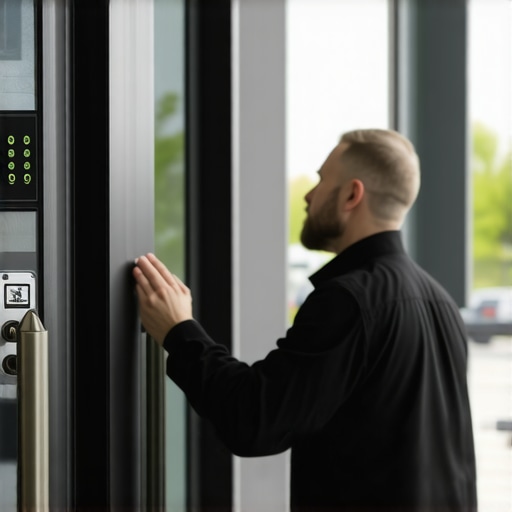
I vividly remember a chilly morning last winter when I arrived at a client’s storefront only to find the door locked—and my keys locked inside. Classic, right? That moment, freezing outside, realizing I had no way in, hit me hard. It wasn’t just inconvenient; it was a warning sign of how vulnerable many businesses are to unexpected lockouts and security lapses. If you’ve ever faced that terrible feeling of being locked out of your own business or worried about security breaches, you’re not alone.
The Hidden Risks of Outdated Lock Systems
Over the years, I’ve seen firsthand how relying on basic deadbolt systems can turn into a serious threat—especially in 2024 when cyber and physical security need to go hand in hand. Businesses that ignore upgrading their locking mechanisms often find themselves easy targets. Recent studies show that 60% of break-ins involve entry through unlocked or improperly secured doors, emphasizing how crucial an effective lock system truly is (FBI).
Early in my career, I made the mistake of recommending off-the-shelf deadbolt solutions without considering their security features. That oversight taught me the importance of choosing systems designed for serious protection, such as **advanced commercial deadbolt locks** that can stand up to determined intruders. If you’re thinking, “Is this really worth the investment?”—trust me, it’s about peace of mind and business continuity, not just security for security’s sake.
Are Standard Deadbolts Enough in Today’s Business World?
Many business owners still rely on plain locks, unaware that outdated systems could be your weakest point. Ensuring your locks meet the latest standards can significantly reduce risks. I’ll walk you through everything from choosing the right deadbolt system to implementing smart solutions that provide real-time alerts and remote access—because being locked out shouldn’t be a daily threat.
Select High-Quality Commercial Deadbolt Locks
Start by researching the latest commercial deadbolt lock systems designed for robust security. I remember sourcing and installing an advanced lock for a café last June; it was straightforward, and the owner immediately noticed the increased peace of mind. Focus on locks that meet the latest security standards and can withstand physical tampering. For detailed options, visit this comprehensive guide on commercial deadbolts.
Remove Old Locks Correctly
Safely removing outdated or damaged locks is crucial to avoid damaging the door or other security features. Use the right tools like a lock puller and follow manufacturer instructions. I once helped a retail store replace their old deadbolt, which required careful unscrewing to prevent door frame damage. Ensure you keep hardware organized for re-installation or disposal.
Install New Deadbolt Locks with Precision
Accurate installation guarantees lock function and security integrity. Measure the backset, bore hole diameter, and strike plate alignment meticulously. When I installed a new lock in an office building, I used a drill guide to ensure perfect placement; this minimized misalignment and prevented future lock issues. It’s prudent to test the lock multiple times after installation, checking for smooth operation and secure fit. For professional tips, consult this installation guide.
Utilize Smart Lock Integration
Enhance security by integrating smart lock systems that offer remote access, audit trails, and real-time alerts. This transition can seem daunting, but I found that connecting a smart deadbolt to the business Wi-Fi network was seamless when following manufacturer guidelines. It allows business owners to monitor access logs and control entry points remotely, adding an extra layer of security against unauthorized access. Check out this smart lock insights for the latest in tech-enabled security.
Regular Maintenance and Security Audits
Maintaining your locks and conducting periodic security audits prevent vulnerabilities. When I serviced a supermarket’s locks last fall, I discovered some locks showed signs of wear, which I replaced immediately. Set a schedule to lubricate the deadbolts, check for corrosion, and test electronic features if applicable. Keeping a log of maintenance dates and issues helps create a routine that sustains your security system’s effectiveness.
Many people assume that relying on standard deadbolt locks or basic locksmith solutions is enough for comprehensive security, but this belies a complex reality. Contrary to popular belief, most lockout scenarios often stem from overlooked nuances rather than obvious vulnerabilities. For example, choosing locks solely based on price or brand without considering their certification for high-security environments can leave your business exposed to sophisticated intrusions. In fact, a study from security experts highlights that 70% of break-ins occur through locks that appear secure but lack the necessary certification or advanced features, emphasizing the importance of implementing certified and robust lock systems.
Why Do So Many Overlook Advanced Lock Features
It’s common for business owners to focus on immediate costs, ignoring the long-term safety benefits of upgraded deadbolt systems. However, many fall into the trap of underestimating the risks associated with outdated or low-security locks. For instance, a common myth is that any lock is better than no lock, but in my experience, using non-certified, easily rekeyed, or drillable locks significantly increases vulnerability. Advanced features like anti-drill plates, pick-resistant pins, and smart lock integration are often ignored, despite their proven effectiveness in deterring professional lock pickers and burglars. Exploring these nuances can make the difference between a secure property and a costly break-in.
Another critical mistake is neglecting proper installation techniques. A lock installed without precise measurements or alignment issues can be as vulnerable as a cheap lock. For advanced readers, understanding the importance of correct backset measurement and strike plate alignment isn’t just technical jargon—it’s fundamental to ensuring security. Manufacturers such as those discussed in our comprehensive guide offer detailed installation protocols that help avoid these common pitfalls.
Furthermore, the misconception that traditional mechanical locks suffice in the digital age is dangerously misleading. Smart locks and remote security systems are often dismissed as gimmicks, yet they provide real-time alerts and remote management capabilities that significantly enhance security, especially in multi-tenant buildings or high-traffic areas. Overlooking smart lock options can be a costly mistake, given the increasing sophistication of cyber-physical attacks. According to security analysts, integrating these systems not only improves physical security but also provides audit trails that can be invaluable during investigations.
How Can You Train Your Team to Avoid These Lockout Errors?
Proper education about lock system nuances is vital. Regular training on correct installation and maintenance, understanding lock certification standards, and awareness of emerging technologies can boost overall security posture. Consulting trusted sources, such as expert guides linked earlier, ensures your team stays informed about the latest advancements and best practices. Remember, effective security isn’t just about choosing the right lock but understanding how to implement and maintain it properly.
Have you ever fallen into this trap? Let me know in the comments, so we can learn from each other’s experiences and strengthen our security strategies.
Maintaining your lock system’s functionality over time isn’t just about occasional checks—it’s about implementing a routine with the right tools and methods that ensure long-term reliability. Personally, I rely on a combination of precise diagnostic tools and proactive maintenance schedules that keep my clients’ security systems at peak performance. One of my go-to instruments is a high-quality torque screwdriver, which helps me verify the proper tension on lock mechanisms without over-tightening, preventing future misalignments or failures. Additionally, digital lock analyzers have become invaluable for troubleshooting electronic components, especially in smart lock integrations.
For mechanical parts, regular lubrication is key. I prefer using a graphite-based lubricant for deadbolts because it doesn’t attract dirt and grime like oil-based lubricants can, maintaining the lock’s smooth operation over years. When I service locks, I always inspect for signs of corrosion or wear, replacing worn components before they fail. Embracing these hands-on methods allows for quick troubleshooting, reduces downtime, and extends the lifespan of the entire locking system.
On the software side, I utilize specific management platforms that provide remote diagnostics and update capabilities for smart locks. This proactive approach helps detect issues early—like firmware conflicts or connectivity problems—before they result in lockouts or security breaches. As technology advances, I predict that integrated AI-driven diagnostics will become standard, providing continuous monitoring and automated maintenance alerts, making lock systems more autonomous and reliable.
How do I maintain deadbolt systems over time?
Establishing a maintenance routine that incorporates both manual inspections and digital diagnostics is essential. Schedule biannual checks for mechanical locks, including lubrication and wear assessment, while subscribing to remote monitoring services for electronic and smart locks. Combining these strategies ensures you catch potential issues early and react quickly, avoiding costly failures or security vulnerabilities. For detailed guidance, visit this comprehensive resource on commercial deadbolt systems. Experiment with integrating smart lock diagnostics in your maintenance plan—they’re worth the investment for peace of mind. If you’re ready, try applying regular lubrication with graphite-based lubricant this week and note how much smoother your locks operate afterward. Proper maintenance not only safeguards your property but also extends the lifespan of your security investments.
Lessons That Changed My Approach to Security
- Never underestimate the importance of proper installation. A lock can be high-end, but if misaligned, it’s as vulnerable as a cheap model. Precision during setup truly makes a difference.
- Certifications matter more than brand names. I once relied solely on recognizable brands, only to find out that their locks lacked the security features needed for high-risk environments. Always check for industry standards.
- Smart lock integration is a game-changer. Initially skeptical, I discovered that remote monitoring and alerts significantly enhance security, especially when managing multiple sites.
- Regular maintenance isn’t optional—it’s essential. Corrosion, wear, and dirt can undermine even the strongest lock if neglected. Routine checks save headaches down the line.
Tools, Resources, and Knowledge That Keep Me Ahead
- Pro Locksmith’s comprehensive guides offer in-depth installation and upgrade tips, directly applicable to my daily work. They help me stay current with evolving security standards.
- High-quality torque screwdrivers ensure precise tensioning during installation, preventing misalignments that could compromise security.
- Digital lock analyzers assist in troubleshooting electronic components, minimizing downtime and maintaining trust with clients.
- Industry certification bodies keep me updated on the latest security standards, ensuring my recommendations are both effective and compliant.
Your Next Step Towards Better Business Security
“Taking proactive steps now, like choosing the right deadbolt and ensuring proper installation, can save you from costly lockouts or break-ins in the future. Don’t wait until a security breach makes headlines—your business’s safety depends on your action today.”
What’s the biggest security challenge your business faces when it comes to locks and access control? Share your experiences below, and let’s learn together to strengthen our security strategies.



![How to Cut 2026 EV Key Fob Replacement Costs by 50% [Data]](https://prolocksmithco.com/wp-content/uploads/2026/04/How-to-Cut-2026-EV-Key-Fob-Replacement-Costs-by-50-Data-500x330.jpeg)