My Journey into Commercial Lock Systems and Deadbolt Security
As a small business owner, I’ve always believed that security begins with the right locks. I vividly remember the night I learned this lesson the hard way when a break-in almost compromised everything I worked for. That experience pushed me to dive deep into commercial lock systems and deadbolt solutions, and today I want to share my personal insights to help fellow entrepreneurs protect their assets.
Why I Switched to Advanced Commercial Lock Systems
Initially, I used basic locks, thinking they’d do the job. However, after researching effective security strategies, I realized that commercial lock systems are designed specifically for business needs, offering superior durability and control. I found that reliable commercial lock systems can be tailored to fit various doors and security levels, which is crucial for maintaining a safe environment for employees and clients alike.
How Deadbolt Security Transformed My Business
Implementing high-quality deadbolts was a game-changer. I learned that deadbolt locks provide an extra layer of security, making unauthorized access significantly more difficult. I opted for effective deadbolt security tips that included using commercial-grade deadbolts and ensuring proper installation. The peace of mind I gained was priceless, knowing that my business was better protected against potential threats.
What Are the Best Commercial Deadbolt Lockout Solutions?
If you’re worried about lockouts, I highly recommend exploring reliable lockout solutions. I found that top commercial deadbolt lockout solutions are essential for maintaining business continuity. Whether it’s a keyless entry system or emergency lockout services, these solutions can save your day and keep your operations running smoothly.
Ever Wondered How to Balance Security and Accessibility?
This question often crossed my mind when choosing my lock systems. I discovered that integrating electronic access controls with traditional deadbolts can offer the perfect balance. Such setups allow authorized personnel easy access while keeping intruders out. For more detailed strategies, I found an excellent guide on lockout solutions that I highly recommend.
If you’re serious about protecting your business, I encourage you to share your experiences or ask questions below. Security is a continuous journey, and learning from each other can make all the difference. For more comprehensive advice, check out authoritative sources like the SANS Institute’s article on business security strategies.
Integrating Smart Lock Technologies for Maximum Business Security
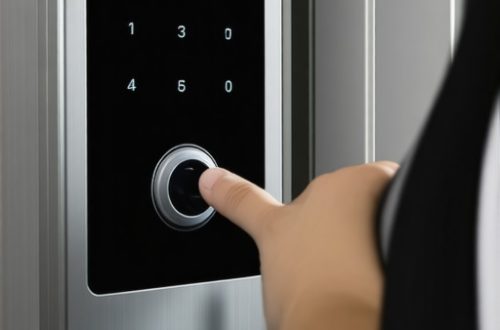
As a seasoned locksmith and security consultant, I’ve seen firsthand how the evolution of lock technology is transforming business security. Traditional deadbolts and mechanical locks are reliable, but integrating smart lock systems offers a new level of control and convenience. These systems allow business owners to manage access remotely, monitor entry logs, and even set temporary permissions for contractors or staff. For instance, using electronic access controls combined with robust deadbolt locks can significantly reduce the risk of unauthorized entry while providing ease of use for trusted personnel. To explore this deeper, I recommend reviewing advanced commercial lock strategies tailored for modern security needs.
How Can Business Owners Balance High Security and User Accessibility?
This is a common dilemma. My approach involves deploying layered security measures—combining physical deadbolts with electronic access systems. This hybrid setup ensures that even if electronic credentials are compromised, physical security measures like high-grade deadbolts still stand strong. Moreover, setting up audit trails through digital logs can help identify potential security breaches early. Have you considered using biometric access controls for sensitive areas? This technology provides an additional layer of security while maintaining ease of access for authorized staff. For practical guidance, check out auto lockout solutions that integrate seamlessly with modern business systems.
Understanding the Nuances of Deadbolt Material and Design for Business Safety
The material and design of deadbolts play a crucial role in their effectiveness. I’ve found that commercial-grade deadbolts crafted from hardened steel or brass offer superior resistance against tampering and forced entry. Additionally, the cylinder type—such as double-cylinder or single-cylinder—must be chosen based on the specific security requirements and fire safety regulations. Double-cylinder deadbolts, for example, prevent intruders from unlocking the door from the inside with a tool, but they require a key for all access, which can be a safety concern during emergencies. It’s vital to evaluate your business environment to select the most appropriate deadbolt design. For more detailed insights on installation and material selection, visit professional deadbolt installation tips tailored for business security.
What Are the Most Overlooked Aspects of Deadbolt Security in Commercial Spaces?
Many business owners focus on the lock itself but overlook surrounding factors that influence overall security. For instance, the door’s condition, frame strength, and proper installation are critical. A high-quality deadbolt installed on a weak door or frame can be ineffective. Additionally, regular maintenance and timely repairs—like deadbolt rekeying or replacing worn-out hardware—are essential for sustained security. Have you ever checked the alignment of your deadbolt and strike plate? Misalignment can cause vulnerabilities, making it easier for intruders to bypass the lock. If you’re interested in comprehensive security audits, consider consulting with experts who evaluate these nuanced details, such as those found in auto lockout repair services that include thorough assessments.
If you found these insights helpful, I invite you to share your experiences or ask questions in the comments below. Also, don’t forget to explore our recommended resources to stay ahead in security technology and best practices. For more in-depth articles, visit trusted sources like the SANS Institute’s security strategies for business owners.
What Surprised Me Most About Deadbolt Material Durability?
Over the years, my journey with commercial deadbolts has taught me that the choice of material can make or break your security strategy. Initially, I assumed that a sturdy lock was enough, but I soon realized that the real game-changer lies in the material composition. I’ve found that hardened steel deadbolts offer exceptional resistance against tampering and forced entry, standing up to even the most aggressive attempts. Brass, while aesthetically pleasing and corrosion-resistant, sometimes falls short against determined intruders. The key takeaway? Always prioritize material strength aligned with your specific security needs.
Layered Security: Why I Switched from Sole Reliance on Mechanical Locks
My experience has shown me that relying solely on mechanical deadbolts can leave gaps in your security. Intruders today are more sophisticated, often exploiting weaknesses like weak door frames or misaligned strike plates. This realization led me to adopt a layered approach—combining physical deadbolts with electronic access controls. Implementing smart lock systems allowed me to manage access remotely, monitor entry logs, and set temporary permissions for contractors. This hybrid security setup not only bolstered my defenses but also provided peace of mind, knowing that even if one layer is compromised, others remain intact.
How Can Advanced Lock Technologies Complement Traditional Deadbolts?
I’ve been intrigued by how integrating advanced lock technologies enhances overall security. For example, biometric access controls—like fingerprint or facial recognition—add an almost impenetrable barrier for sensitive areas. When combined with high-grade deadbolts, these systems create a formidable defense. Moreover, the use of audit trails through digital logs helps identify suspicious activity early, a feature I found invaluable during security audits. For those curious about this approach, exploring advanced commercial lock strategies can provide more insights into customizing your security setup.
What Are the Hidden Risks of Poor Deadbolt Installation and Maintenance?
One aspect I learned the hard way is that even the best deadbolt can be rendered ineffective through improper installation or neglect. For instance, misaligned strike plates or worn-out hardware significantly weaken your lock’s effectiveness. Regular maintenance—checking for misalignments, rekeying when necessary, and upgrading worn parts—is essential. I’ve also seen how the surrounding door and frame condition impact deadbolt performance. Reinforcing the door frame or opting for steel reinforcement plates can dramatically improve security. If you’re serious about safeguarding your premises, consider a thorough security audit, like those offered by auto lockout repair experts, who evaluate these nuanced details.
Sharing your own experiences or questions can be incredibly valuable—what challenges have you faced with deadbolt security? Have you experimented with layered systems or different materials? I invite you to comment below and join the conversation. For further reading, exploring authoritative sources like the SANS Institute will deepen your understanding of comprehensive security strategies.
How Do Material Choices Impact Deadbolt Resilience in Commercial Settings?
In my extensive experience with commercial lock systems, I’ve come to appreciate that the choice of deadbolt material is far from a mere aesthetic decision—it’s a cornerstone of security integrity. High-grade materials such as hardened steel and reinforced brass have proven to offer exceptional resistance against physical attacks, including sawing, drilling, and wrenching. For example, steel deadbolts with anti-drill features significantly reduce the risk of forced entry, especially when paired with secure mounting hardware and reinforced strike plates. I recall a project where upgrading to steel deadbolts thwarted multiple attempted breaches, reinforcing my belief that material selection directly correlates with durability and security effectiveness. To explore the nuances of material durability and installation best practices, I recommend reviewing professional deadbolt installation tips that emphasize material considerations.
Is Relying Solely on Mechanical Deadbolts Sufficient for Modern Business Security?
Over time, I’ve realized that depending solely on mechanical deadbolts leaves vulnerabilities, especially in environments exposed to sophisticated threats. The advent of electronic access controls has revolutionized security paradigms, enabling layered defense strategies. Integrating smart lock systems—such as biometric access or remote management—complements traditional deadbolts, creating a robust security ecosystem. This hybrid approach ensures that even if mechanical components are compromised, digital controls and audit trails can provide additional layers of defense and accountability. For instance, during a recent security upgrade, I integrated electronic keypad access with mechanical deadbolts, which allowed me to revoke access remotely and monitor entry logs in real-time. This layered methodology significantly enhances overall resilience. For insights on deploying such systems, I recommend exploring advanced commercial lock strategies.
How Can Smart Lock Technologies Complement Traditional Deadbolts for Optimal Security?
My journey with smart lock technology has revealed that the key to optimal security lies in seamless integration. Features like biometric authentication, remote access, and detailed activity logs enable businesses to maintain tight control over premises while offering convenient access to authorized personnel. When combined with high-security deadbolts, these systems form a formidable barrier against intrusions. During a consultation, I advised a client to install biometric readers alongside reinforced deadbolts, which resulted in a dramatic decrease in unauthorized entry attempts. The benefit of audit logs and temporary access permissions introduced a new level of accountability and flexibility. For a comprehensive understanding of how to implement these technologies effectively, I suggest reviewing advanced commercial lock strategies.
What Are the Hidden Risks of Neglecting Proper Deadbolt Maintenance and Surrounding Hardware?
Through years of hands-on work, I’ve seen that neglecting routine maintenance and surrounding hardware can compromise even the most robust deadbolt systems. Misaligned strike plates, worn-out hardware, and door frame weaknesses often go unnoticed until an attempted breach exposes vulnerabilities. Regular inspections, rekeying, and reinforcement of the door frame are critical steps in maintaining optimal security. I advise conducting periodic security audits, especially after any hardware upgrades or structural changes, to identify potential weak points. Reinforcing the door frame with steel plates or installing security hinges can further mitigate risks. For detailed guidance on maintenance practices, I recommend visiting auto lockout repair services that include comprehensive evaluations.
Would you like to share your experiences with deadbolt materials or layered security systems? Engaging in such discussions can deepen our collective understanding and help tailor solutions to unique security challenges. For more expert insights, I encourage exploring authoritative resources like the SANS Institute’s article on business security strategies.
Things I Wish I Knew Earlier (or You Might Find Surprising)
The Material Matters More Than I Thought
Early in my journey, I underestimated the importance of deadbolt material. It wasn’t until I faced a break-in attempt that I realized that hardened steel deadbolts could make all the difference in resisting tampering and forced entry. Choosing the right material is crucial for long-term security and peace of mind.
Installation Is Just as Critical as the Lock Itself
I learned that even the best deadbolt can be ineffective if not properly installed. Misaligned strike plates or weak mounting hardware can create vulnerabilities. Regularly inspecting and maintaining your locks ensures they perform when needed most.
Layered Security Is the Way to Go
Relying solely on mechanical deadbolts isn’t enough anymore. I found that combining physical locks with electronic access controls, like smart locks, provides a more resilient security system. This layered approach has saved me from potential breaches and added convenience.
Material Choices Impact Resilience in Unexpected Ways
For example, brass locks look appealing but may not withstand aggressive tampering as well as hardened steel options. Knowing the environment and threat level helps in selecting the most durable material, which is a game-changer in security planning.
Maintenance Is Often Overlooked
Neglecting routine checks or failing to reinforce the door frame can weaken even the strongest deadbolt. Regular maintenance, rekeying, and structural reinforcement are vital steps I recommend for ongoing protection.
Resources I’ve Come to Trust Over Time
- SANS Institute: Their comprehensive articles on business security strategies have deepened my understanding of layered security approaches.
- Pro Locksmith Co.: Their detailed guides on commercial lock systems and deadbolt installation are invaluable for practical insights.
- Security Magazine: Offers current trends and innovations in lock technology, keeping me updated on smart lock integrations and materials.
Parting Thoughts from My Perspective
From my experience, selecting the right deadbolt material and ensuring proper installation are foundational to effective business security. Combining physical and electronic measures creates a layered defense that adapts to evolving threats. Remember, security isn’t a one-time setup but a continuous process of maintenance, upgrades, and learning. If this resonated with you, I’d love to hear your thoughts or experiences. Share it with someone who might find it helpful, and let’s keep the conversation going on how we can better protect our businesses in an ever-changing world.

Reading through the post, I really resonated with the emphasis on material selection for deadbolts. In my experience managing multiple commercial properties, steel deadbolts with anti-drill features have been a game-changer for deterring forced entry attempts. I’ve also learned that proper installation and maintenance are often overlooked but can significantly impact security. Have any of you tried combining biometric access controls with traditional deadbolts? I’ve found that biometric systems can add an extra layer of convenience without compromising security, especially when integrated with smart lock setups. One challenge I faced was ensuring the compatibility of different electronic systems and deadbolt hardware. How do others handle these integrations efficiently without extensive downtime? Would love to hear some tips or experiences on balancing high-tech options with reliable physical security, especially in environments with high employee turnover.
Your insights into the evolution of commercial lock technology really resonate with my experience. I’ve also found that integrating traditional deadbolts with electronic or smart lock systems can create a layered security approach that tackles the vulnerabilities of relying solely on mechanical locks. The challenge, like you mentioned, often lies in ensuring compatibility and minimizing downtime during upgrades. One approach I’ve seen work well is choosing systems that are designed to be compatible with a wide range of hardware and software, or opting for retrofit solutions that can be added onto existing locks without full replacement. Also, consistent maintenance and periodic security audits help keep everything functioning smoothly, especially in environments with high staff turnover where access permissions need regular updating. Have you had any success with specific brands or systems that play nicely together, or tips on how to streamline maintenance and updates? I’d love to hear your thoughts from a practical standpoint.
Reading through this post really made me reflect on how much material quality and proper installation influence deadbolt security. From my experience managing a handful of retail stores, I’ve seen how upgrading to hardened steel deadbolts with anti-drill features can deter even determined intruders. However, I think many overlook the importance of routine maintenance: rekeying, inspecting strike plates, and reinforcing door frames are just as crucial. Do others find that combining electronic access controls with traditional deadbolt systems increases security without complicating access? I’ve recently experimented with biometric entry systems in my stores, and the integration process was smoother than expected thanks to adaptable retrofit solutions. But I wonder, how do larger businesses handle these upgrades while minimizing operational disruptions? Would love to hear your successful strategies and insights into balancing high-tech security with everyday practicality.
Reading about the journey into advanced commercial lock systems really hit home for me. I’ve managed a few small retail locations, and I can attest that upgrading to high-quality deadbolts made a noticeable difference in security. The point about proper installation and regular maintenance can’t be overstated; I’ve seen businesses neglect these aspects and suffer consequences. I’m curious, has anyone tried integrating biometric access controls on top of traditional deadbolts? From my experience, they add a lot of convenience, especially in high-turnover environments, but compatibility can be tricky. How do you ensure seamless integration without causing significant downtime? Also, what are your thoughts on the best materials for deadbolts—steel versus brass? I’ve found steel to be more resistant against tampering, but I’d love to hear others’ insights. Security really is a continuous process, and sharing strategies helps us all stay ahead.
This post really struck a chord with me, especially the emphasis on how critical the right deadbolt material and proper installation are. I’ve recently upgraded the locks at my small business to hardened steel deadbolts, and I can vouch for the difference in resistance—they feel much more secure against tampering. However, I’m curious about how others balance the need for high security with ease of access, particularly when integrating electronic systems. Have any of you faced challenges in managing the compatibility of different electronic lock components alongside traditional deadbolts? I’ve found that choosing open-standard systems or those with retrofit options can really minimize downtime. Also, the importance of maintenance can’t be overstated; I’ve seen security breaches happen when locks aren’t inspected regularly. What’s your go-to routine for routine checks? Looking forward to hearing your strategies. It’s clear that adopting a layered security approach, combining physical robustness with digital controls, is the way forward in today’s environment.
Your story really highlights the importance of investing in quality deadbolt materials like hardened steel, especially for small businesses. I totally agree that security isn’t just about installing locks but maintaining them properly over time. I’ve seen many forget to rekey or check strike plates regularly, which can open vulnerabilities. I’ve been exploring integrating electronic access controls with traditional deadbolts myself, and one thing I’ve found helpful is choosing systems with open standards that are easier to upgrade or retrofit without significant downtime. How do others here manage ongoing maintenance, especially with high staff turnover? It seems that balancing security and accessibility in such environments can be tricky, but layered solutions like smart locks combined with mechanical deadbolts might be the best approach. Would love to hear more about your experiences or recommendations for seamless integration of these systems.
This post really underscores how critical choosing the right deadbolt material and ensuring proper installation are for long-term security. I’ve seen firsthand how upgrading to hardened steel deadbolts with anti-drill features can effectively deter tampering attempts, especially when paired with reinforced strike plates. What I’ve found challenging is maintaining these systems, particularly in high-traffic environments where wear and tear can quickly occur. Regular inspections and timely rekeying are vital, but do any fellow business owners here have tips on streamlining routine maintenance so it doesn’t disrupt daily operations? Also, I’ve been exploring integrating biometric access controls with traditional deadbolts to enhance security while maintaining quick access for authorized personnel. Have others had success with these hybrid systems, and how do you handle potential compatibility issues? Overall, I agree that layered security, combining physical and digital measures, offers the best protection against evolving threats, but managing their integration remains a balancing act.
This article really resonated with my own experience implementing layered security measures. I’ve found that choosing the right deadbolt material—particularly hardened steel—makes a huge difference, especially when combined with high-quality installation and regular maintenance. One challenge I’ve faced is ensuring that electronic access control systems integrate smoothly without causing downtime or operational hiccups. Has anyone here experimented with different brands or retrofit options that worked well together? Also, I wonder if biometric controls are becoming more practical for smaller businesses or if they still pose compatibility hurdles. What strategies have others used to balance high security with ease of access, especially in environments with frequent staff changes? I’d love to hear your insights or any tips on managing these hybrid systems effectively. After all, ongoing upkeep seems just as crucial as initial installation for maintaining a strong security posture.