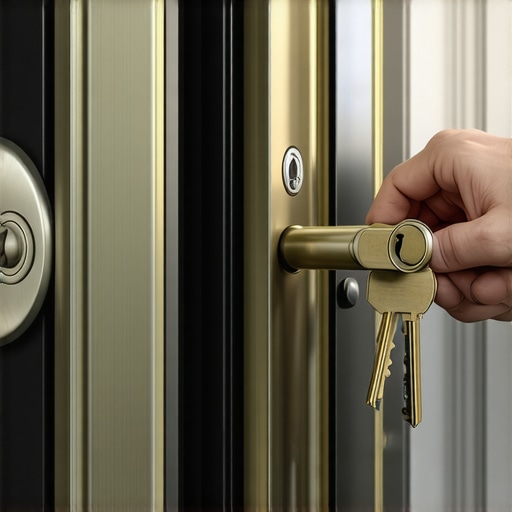
My Personal Journey with Commercial Lock Security
As a business owner, I remember the frantic moment when I realized I was locked out of my commercial property late at night. It was a wake-up call that emphasized the importance of robust security measures, especially regarding deadbolt systems and auto lockouts. Over the years, I’ve learned some practical tips that have significantly improved my building’s security and saved me from potential headaches.
Understanding the Critical Role of Deadbolt Security
One of the first lessons I learned was the importance of high-quality deadbolt locks. These are the frontline defense against unauthorized access. I opted for commercial-grade deadbolts, which are more resistant to tampering and forced entry. According to Fast Locksmith’s expert guide, investing in reliable deadbolt systems is essential for any business aiming to protect its assets and employees.
How to Prevent Auto Lockouts in Your Business
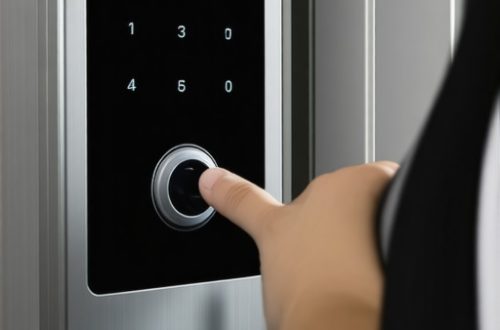
Auto lockouts can happen unexpectedly, especially during busy hours when keys might be misplaced or forgotten. I found that installing smart lock systems with access codes or keyless entry significantly reduces these occurrences. For a comprehensive approach, I recommend exploring top auto lockout and deadbolt security tips. These solutions are not only convenient but also enhance overall security.
What Are the Best Commercial Deadbolt Lockout Solutions?
In my experience, having multiple lockout solutions is wise. From traditional key-based deadbolts to electronic or biometric locks, diversifying your security measures provides peace of mind. I also learned that regular maintenance and quick repair services are vital. Trusted locksmith services, like those mentioned here, ensure your locks function correctly when needed most.
Why Is Regular Security Assessment Important for Business Owners?
Regularly reviewing and updating your security protocols can prevent vulnerabilities. I schedule annual locksmith inspections and stay informed about the latest lock technology trends. This proactive approach keeps my business secure and compliant with safety regulations. For those interested, authoritative resources like the Fast Locksmith’s recommendations can guide you through effective strategies.
If you’ve faced similar challenges or have tips to share, I’d love to hear your stories! Feel free to leave a comment below or explore more about effective lockout solutions on trusted sites. Remember, a little investment in security today can save you from costly headaches tomorrow.
Is Your Business Prepared for the Next Auto Lockout Scenario?
Auto lockouts are more than just an inconvenience—they can jeopardize your entire day’s operations and security. As an industry professional, I emphasize the importance of integrating smart access solutions that go beyond traditional deadbolts. For instance, electronic locks with remote management capabilities allow you to unlock doors via smartphone apps, reducing the risk of being stranded outside with no options. Additionally, implementing audit trails helps monitor access history, ensuring that unauthorized attempts are quickly identified and addressed. For more insights, explore Fast Locksmith’s detailed auto lockout solutions.
How Can You Future-Proof Your Business Security with the Latest Deadbolt Technology?
Staying ahead of potential security breaches requires embracing innovative deadbolt systems. Biometric deadbolts, for instance, utilize fingerprint or facial recognition to grant entry, making lost keys or stolen codes ineffective. As an expert, I recommend combining these advanced locks with traditional security measures to create layered protection. Moreover, regular firmware updates and maintenance are essential to keep electronic locks functioning flawlessly, preventing vulnerabilities. Trusted locksmith services, such as those discussed here, can assist in upgrading and maintaining your systems effectively.
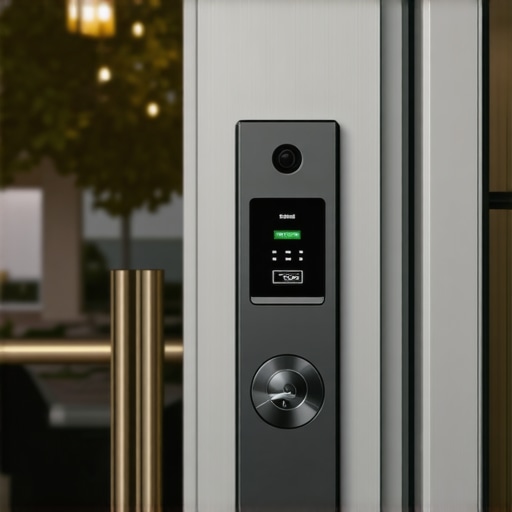
What Are the Practical Challenges in Implementing High-Tech Lock Systems?
While cutting-edge technology offers significant advantages, it also presents challenges like cybersecurity risks and user training. Ensuring your digital locks are protected from hacking requires robust encryption and regular security audits. Additionally, educating staff on proper usage minimizes the risk of accidental lockouts or security breaches. An informed approach that balances technological innovation with practical training can make or break your security strategy. For comprehensive guidance, consider consulting resources like Fast Locksmith’s security strategies.
Have You Considered How to Integrate Multiple Security Layers for Maximum Protection?
In my experience, combining physical deadbolt upgrades with electronic access control creates a robust security ecosystem. This layered approach not only deters unauthorized entry but also provides flexibility for authorized personnel. Moreover, integrating surveillance cameras and alarm systems can further enhance security and provide comprehensive oversight. For example, a business I consulted adopted a multi-layered system that included biometric deadbolts, remote access control, and real-time monitoring, significantly reducing security risks. To explore more about comprehensive lockout solutions, visit this resource.
Beyond the Basics: Embracing the Nuances of Deadbolt Security in Commercial Settings
Reflecting on my journey through various security implementations, I realize that the devil truly is in the details. Simple deadbolt upgrades are no longer sufficient for businesses facing increasingly sophisticated threats. Instead, integrating layered security measures, such as biometric deadbolts combined with smart access controls, can dramatically enhance protection. This approach not only deters intruders but also provides real-time monitoring capabilities, which are invaluable during security audits or incident investigations. For those eager to elevate their security protocols, exploring trusted locksmith services that specialize in high-tech solutions can be a game-changer.
What Are the Hidden Challenges in Implementing High-Tech Deadbolt Systems?
While digital and biometric deadbolts promise advanced security, they also introduce complexities. Cybersecurity risks loom large; hacking attempts can bypass even the most robust encryption if vulnerabilities exist. Additionally, staff training becomes critical—without proper understanding, these systems can become liabilities rather than assets. I’ve found that comprehensive staff education, combined with regular firmware updates, is essential to maintaining security integrity. For instance, ensuring your electronic locks are protected with multi-layered encryption, as recommended by Fast Locksmith’s security strategies, minimizes these risks effectively.
How Can I Balance Cutting-Edge Technology with Practical Security Measures?
In my experience, striking this balance involves recognizing that no single system can be foolproof. A layered approach—combining biometric locks, surveillance cameras, alarm systems, and traditional physical barriers—creates a formidable defense. For example, I’ve seen businesses incorporate remote access management, allowing authorized personnel to unlock doors via secure apps, which greatly reduces auto lockout scenarios. Simultaneously, physical measures like reinforced deadbolts serve as the backbone of security. To explore comprehensive solutions, I recommend reviewing Fast Locksmith’s detailed auto lockout solutions.
Is There a Limit to Technological Advancements in Deadbolt Security?
Absolutely. Every new innovation introduces fresh vulnerabilities, making continuous assessment vital. For instance, biometric deadbolts relying on facial recognition or fingerprint scanning must have their software regularly vetted for exploits. Moreover, hardware durability and environmental resilience are often overlooked but crucial, especially in harsh outdoor settings. I advise regularly consulting reputable sources and locksmith professionals to stay ahead of emerging threats. Implementing periodic security audits, as suggested in Fast Locksmith’s ultimate guide, ensures your systems evolve with the threat landscape.
Do you have personal experiences or insights into upgrading your business security with advanced deadbolt systems? I’d love to hear your stories or questions—feel free to leave a comment below or explore further at trusted security resources. Remember, investing in layered, adaptive security now can safeguard your assets for years to come.
Mastering the Art of Layered Security in Commercial Deadbolt Systems
In my journey through high-tech security integrations, I have discovered that a multi-layered approach is vital for optimal protection. Combining biometric access controls with traditional deadbolts creates a formidable barrier against intruders while maintaining operational flexibility. For example, integrating smart locks with remote management capabilities allows authorized personnel to respond swiftly to lockout scenarios, while physical reinforcements prevent forced entry. This synergy not only enhances security but also streamlines daily operations, reducing vulnerabilities that single-layer systems might overlook. To explore comprehensive strategies, I recommend reviewing Fast Locksmith’s expert tips.
The Nuances of Implementing High-Tech Deadbolts in Commercial Settings
Transitioning to electronic and biometric deadbolts introduces complexities such as cybersecurity threats and user training challenges. Ensuring your digital locks are protected from hacking requires robust encryption protocols and regular security audits. A notable example I encountered involved a retail chain that suffered a breach due to outdated firmware, emphasizing the need for ongoing maintenance. Educating staff on proper usage minimizes accidental lockouts and security lapses, creating a culture of vigilance. As highlighted in Fast Locksmith’s guidelines, combining technical safeguards with staff training is essential for enduring security integrity.
How Can Advanced Deadbolt Technologies Be Harmonized with Existing Security Infrastructure?
Integrating cutting-edge deadbolt systems with existing security measures demands strategic planning. I advocate for a phased implementation, starting with compatibility assessments to avoid conflicts and ensure seamless operation. For instance, combining biometric deadbolts with surveillance cameras and alarm systems can provide real-time monitoring and rapid incident response. This layered approach not only deters unauthorized access but also provides comprehensive oversight for audits and investigations. For detailed insights, visit Fast Locksmith’s comprehensive guide.
Overcoming Cybersecurity Challenges in Smart Deadbolt Systems
One of the most pressing challenges in adopting smart deadbolts is safeguarding against cyber threats. Hackers can exploit vulnerabilities if encryption standards are weak or firmware is outdated. I have personally worked with clients to implement multi-layered encryption and regular system updates, significantly reducing these risks. Additionally, establishing strict access controls and audit logs enables early detection of suspicious activity. An exemplary resource I trust is Fast Locksmith’s cybersecurity recommendations, which provide a strategic framework for securing digital lock systems.
The Future of Commercial Deadbolt Security: Innovations and Ethical Considerations
Looking ahead, innovations such as facial recognition, AI-driven threat detection, and blockchain-based access logs promise to revolutionize security paradigms. However, these advancements raise ethical questions around privacy and data protection. My experience suggests that transparency with stakeholders and compliance with data regulations are paramount when deploying such technologies. Moreover, regular assessment of new vulnerabilities and staying informed through trusted sources like Fast Locksmith’s updates ensures your security measures evolve responsibly and effectively. Engaging with these emerging trends allows businesses to stay ahead of threats while respecting individual rights.
Things I Wish I Knew Earlier (or You Might Find Surprising)
The Hidden Power of Quality Deadbolts
Looking back, I realize that investing in high-quality deadbolt locks early on could have saved me countless headaches. The difference between standard and commercial-grade deadbolts is staggering—they resist tampering much better, giving peace of mind.
Auto Lockouts Are More Common Than You Think
It surprised me how often auto lockouts happen, especially during busy hours. Installing smart locks with access codes not only saved me money but also reduced frustration, making my security both smarter and more convenient.
The Challenge of Integrating New Tech
Adopting biometric deadbolts sounded ideal but came with cybersecurity considerations. Ensuring firmware updates and encryption are critical steps I learned the hard way, emphasizing the importance of ongoing system maintenance.
Layered Security Is a Game Changer
Combining physical deadbolts with electronic access controls creates a formidable barrier. I’ve seen firsthand how surveillance and alarm integrations provide comprehensive protection, turning security into a cohesive system rather than isolated measures.
Staff Training Is Often Overlooked
Even the best technology fails if staff aren’t trained properly. Educating everyone on proper lock usage and security protocols is vital—something I now prioritize regularly to avoid avoidable vulnerabilities.
Resources I’ve Come to Trust Over Time
- Fast Locksmith: Their detailed guides on deadbolt security and auto lockout solutions are my go-to resources. I trust their expertise because they stay ahead of emerging threats and provide practical advice.
- Security Magazine: A reputable publication that discusses the latest trends and innovations in locksmith and security technology. It keeps me informed about future-proofing my systems.
- National Locksmith Association: Their standards and certifications give me confidence that I’m following industry best practices, especially regarding electronic and biometric locks.
Parting Thoughts from My Perspective
Reflecting on my journey with commercial lock security, I see that investing in layered, adaptable solutions is key. Regular assessments and embracing innovative deadbolt technology, like biometric systems, can dramatically enhance security. Remember, it’s not just about installing the latest gadgets but understanding how they work together to protect your assets. If you found this helpful or have your own insights, I’d love to hear your stories. Feel free to share your experiences or ask questions in the comments below. Together, we can build smarter, more secure businesses.


Reading about your experience with auto lockouts really hit home for me. I’ve faced similar situations where a quick access solution made all the difference, especially during late hours when time is of the essence. I recently installed a smart lock system with remote management, which has dramatically reduced my lockout incidents. It’s reassuring to have a backup plan that doesn’t rely solely on physical keys. However, the cybersecurity aspect still concerns me—how do you recommend balancing security with user convenience without opening new vulnerabilities? Would love to hear other insights or practices from fellow business owners on this. Overall, your approach to layered security and regular assessments truly resonates; proactive measures are key in today’s ever-evolving security landscape.
Your journey with high-tech security measures offers insightful perspectives, especially about balancing innovation with practical application. I’ve also found that regularly updating firmware and educating staff are crucial steps in maintaining system integrity when adopting biometric or smart deadbolts. One challenge I’ve encountered is ensuring these advanced systems integrate smoothly with existing infrastructure without causing operational disruptions. Has anyone here experienced conflicts during integration, and how did you resolve them? I believe layering physical security with electronic controls is vital, but the human factor remains key. Proper training and clear protocols can make or break the effectiveness of even the most sophisticated systems. It’s fascinating to see how the industry is evolving; what are some emerging security features you all foresee becoming standard in the near future? I envision even greater emphasis on AI and threat detection in everyday lock systems. Looking forward to hearing everyone’s insights on maintaining a robust yet user-friendly security environment.