Discovering the Power of Reliable Lock Systems: A Personal Perspective
As someone who’s always been cautious about security, I remember the day I finally decided to upgrade my commercial locks. It was after a close call where a weak lock could have jeopardized my business assets. That moment sparked my deeper interest in trusted commercial lock systems and how they can make a real difference. From my experience, choosing a high-quality deadbolt isn’t just about security; it’s about peace of mind.
Why I Switched to Commercial Deadbolt Security
Initially, I thought all locks were pretty much the same. But after consulting with a professional locksmith, I learned that not all deadbolts are created equal. I was introduced to the concept of reliable commercial deadbolt systems, which are designed specifically to withstand tampering and forced entry. It’s fascinating how modern technology has advanced lock security, making it harder for intruders to succeed. For more insights, I checked out this article that reinforced my decision.
Practical Tips for Enhancing Your Deadbolt Security
Over the years, I’ve learned a few practical tips that anyone should consider. First, always opt for deadbolts with a Grade 1 rating—these are tested for durability and strength. Second, ensure your locks are installed by a professional to avoid vulnerabilities. I also recommend regular maintenance and checks, especially if you notice any signs of wear. Interestingly, I found that integrating electronic access control with traditional deadbolts adds a layer of security, which is something I plan to explore further. For detailed recommendations, this guide was incredibly helpful.
What Deepens My Curiosity About Deadbolt Security?
How can I ensure my commercial deadbolt system remains resilient against emerging security threats?
This question keeps me thinking, especially given how quickly technology evolves. Staying updated with the latest lock innovations and security protocols seems crucial. I’ve also read that combining deadbolt security with surveillance systems enhances overall safety—something I’m considering installing soon. The importance of choosing trusted brands cannot be overstated; they often undergo rigorous testing and certification. For more expert advice, I recommend visiting this resource.
If you’ve had your own experiences or tips on securing commercial properties, please share in the comments—I love hearing real-world insights. Remember, your security is only as strong as your awareness and choices.
Understanding the Evolving Landscape of Commercial Lock Security
As technology advances, so do the tactics of intruders. Modern commercial lock systems must adapt to these changes, incorporating both physical robustness and smart security features. For instance, integrating electronic access controls with traditional deadbolts creates a layered defense, making unauthorized entry significantly more difficult. Experts emphasize that relying solely on mechanical locks is no longer sufficient; instead, a combination of high-grade hardware and digital monitoring is recommended. To explore effective options, check out these advanced deadbolt solutions.
Why Regular Updates and Maintenance Matter for Deadbolt Systems
Many business owners underestimate the importance of routine maintenance. Even the strongest deadbolt can become vulnerable if it’s not properly maintained or if firmware (for electronic systems) is outdated. Regular inspections help identify wear and tear early, preventing potential security breaches. Additionally, updating electronic lock firmware ensures protection against the latest cyber threats. Implementing a scheduled check-up with a professional locksmith can maintain the integrity of your security system. For comprehensive tips, visit this expert guide.
What Should Business Owners Ask When Upgrading Lock Systems?
How do I evaluate whether my current deadbolt system is truly resilient against emerging threats?
This question is crucial, especially considering the rapid evolution of security technology. As an expert, I recommend conducting a thorough security audit that includes assessing lock Grade ratings, installation quality, and compatibility with newer access control solutions. Additionally, reviewing certification standards—such as those from ANSI or BHMA—can help determine if your locks meet current security benchmarks. Collaborating with a trusted locksmith ensures you receive tailored advice that considers your specific business environment. For guidance on selecting the right system, visit this resource.
If you’ve faced similar challenges or have insights on upgrading your security infrastructure, I encourage you to share your experiences in the comments. Your practical tips could help others safeguard their businesses more effectively.
How Can I Stay Ahead of Emerging Threats in Deadbolt Security?
This question has become increasingly relevant in my journey of safeguarding my business. In my experience, staying proactive involves more than just upgrading hardware; it requires a mindset of continuous education and adaptation. I found that subscribing to security bulletins and industry updates is invaluable—these often highlight new vulnerabilities and emerging attack methods. For example, recent advancements in cyber-physical attacks mean that even physical locks can be compromised through digital means, emphasizing the need for integrated security systems. I personally started consulting with security experts who specialize in layered defense strategies, combining physical locks with electronic monitoring. This approach not only deters intruders but also provides real-time alerts if a breach occurs. To dive deeper into these strategies, I recommend exploring advanced deadbolt solutions that integrate modern technology. Have you considered how your existing security protocols could evolve with these innovations? Sharing your experiences might help others, so I invite you to comment below with your insights or challenges faced in maintaining resilient security systems.
Reflections on the Complexity of Modern Lock Systems
One of the most intriguing aspects I’ve encountered is the complexity of modern lock systems. Gone are the days when a simple deadbolt sufficed; today’s systems often involve biometric access, electronic codes, and remote control features. While these innovations enhance convenience, they also introduce new vulnerabilities, especially if firmware updates are neglected or if integration is poorly managed. I learned this firsthand when my electronic deadbolt system failed due to outdated firmware, temporarily compromising my security. Regular maintenance and staying informed about security patches became a priority. Additionally, I discovered that the physical quality of the lock itself remains paramount—a high-grade lock with poor installation or maintenance can be just as vulnerable as a low-quality one. This realization pushed me to work closely with trusted locksmiths and security consultants, ensuring that my systems are both robust and properly maintained. For those interested in exploring these nuanced aspects, I found this guide particularly enlightening. If you’ve faced similar challenges or have insights into managing complex lock systems, your stories could be a valuable resource for others navigating the same landscape.
What Are the Practical Steps to Future-Proof My Security Infrastructure?
Future-proofing my security infrastructure has become a personal mission. Based on my experiences, I believe that flexibility and scalability are key. For example, choosing modular lock systems that can easily integrate new technologies or upgrade existing components without complete replacement is crucial. I also emphasize the importance of comprehensive security audits—regularly reviewing your entire security setup helps identify potential weaknesses before they become serious issues. Additionally, fostering good relationships with professional locksmiths and security experts ensures that you have access to the latest innovations and tailored advice. I’ve found that participating in industry forums and attending security expos keeps me informed about cutting-edge solutions. Moreover, I now prioritize systems that support remote management and real-time alerts, allowing me to respond swiftly to any threats. If you’re contemplating how to adapt your security measures for the future, I highly recommend exploring this resource. I’d love to hear your thoughts or strategies—what steps have you taken to ensure your security infrastructure remains resilient in the face of evolving threats? Sharing your insights could inspire others to take proactive measures, fostering a community of well-prepared business owners.
Anticipating the Next Generation of Lock Technologies: A Personal Journey into Innovation
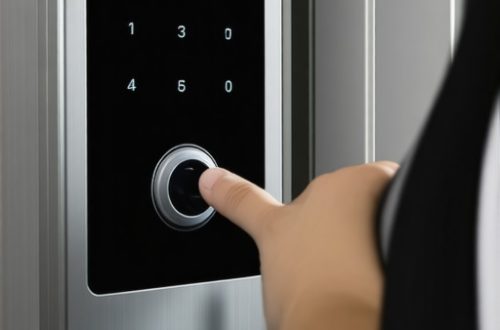
My exploration into advanced lock systems has led me to appreciate the rapid evolution of security technology, especially in the realm of smart locks and biometric authentication. It’s fascinating how integrating cutting-edge features like facial recognition or fingerprint scanning can elevate security, yet also introduce new vulnerabilities if not managed correctly. I recall a scenario where a biometric lock system failed due to a firmware glitch, temporarily compromising access—highlighting the importance of rigorous updates and backups. Staying ahead requires not just adopting new tech but understanding its underlying architecture and potential risks. For comprehensive insights, I often refer to the detailed standards outlined by organizations like ANSI/BHMA, which set benchmarks for security hardware quality and interoperability. To deepen your understanding, I suggest reviewing these advanced deadbolt solutions that incorporate modern cybersecurity features.
How Do I Integrate Cybersecurity Measures with Physical Lock Systems for Optimal Protection?
This question has become central in my journey toward holistic security. Combining physical deadbolts with digital safeguards, such as encrypted access control systems and real-time monitoring, creates a layered defense. I’ve found that employing a proven cybersecurity framework—covering aspects like network segmentation, authentication protocols, and regular vulnerability assessments—significantly reduces the risk of cyber-physical breaches. For example, ensuring that firmware updates are securely delivered and validated prevents malicious tampering. Additionally, deploying intrusion detection systems that monitor access logs and alert administrators to suspicious activities enhances resilience. I recommend exploring these integrated security strategies for a comprehensive approach. Have you considered how your existing systems could be augmented with such cybersecurity layers? Your experience and insights could benefit others navigating this complex landscape.
What Are the Key Steps to Conducting a Security Audit for Future-Ready Lock Infrastructure?
Conducting a thorough security audit is vital to ensure your lock systems are resilient against emerging threats. My approach involves evaluating the compliance of your hardware with current standards, such as ANSI/BHMA Grade ratings, and assessing the physical installation quality. Digital components should be scrutinized for firmware version, update history, and network security measures. I also recommend performing penetration testing to identify potential vulnerabilities—this can include simulated attack scenarios to test both physical and cyber defenses. Collaborating with a trusted locksmith or security consultant who specializes in advanced lock systems ensures that no aspect is overlooked. Additionally, maintaining detailed documentation of your security posture helps track improvements over time. For a detailed procedural guide, visit this comprehensive resource. Sharing your audit experiences can offer valuable lessons to the community—what steps have you found most effective in future-proofing your security infrastructure?
How Can I Leverage Emerging Technologies to Create a Dynamic Security Ecosystem?
This question pushes the boundaries of traditional security. Embracing IoT-enabled locks, AI-driven analytics, and cloud-based management platforms allows for real-time data integration and adaptive responses to threats. For instance, AI algorithms can analyze access patterns and flag anomalies, while remote management enables swift intervention without physical presence. I’ve personally experimented with systems that synchronize alarm alerts with local law enforcement or security teams, drastically reducing response times. The challenge lies in balancing convenience with security—ensuring that digital interfaces are robust against hacking attempts. To stay current, I subscribe to industry publications and participate in security expos, where I learn about innovations like biometric multi-factor authentication and blockchain-based access logs. If you’re considering how to evolve your security ecosystem, I highly recommend exploring these emerging solutions. I invite you to share your experience—what technologies have you integrated, and how have they transformed your approach to security?
The Art of Balancing Security, Accessibility, and Future Growth
One of the most nuanced aspects of future-proofing lock systems is achieving the right balance between security and accessibility. Overly stringent measures may hinder legitimate access, while lax protocols invite threats. My strategy involves implementing tiered access controls, where high-security zones utilize multi-layer authentication, yet common areas maintain streamlined entry. Scalability is also critical; choosing modular systems that can seamlessly accommodate new features or increased capacity without major overhauls ensures long-term adaptability. Additionally, fostering a culture of continuous learning and vigilance among staff helps maintain security integrity. As I’ve learned, integrating feedback from security audits and staying informed about emerging threats enables proactive adjustments. For those interested in refining their approach, I recommend reviewing these strategic guidelines. Share your insights—what practices have you found most effective in creating a resilient, adaptable security environment? Your experiences can inspire others to push the boundaries of traditional security measures and embrace innovative solutions.
Things I Wish I Knew Earlier (or You Might Find Surprising)
Mastering the Art of Lock Selection
One thing I learned the hard way is that not all deadbolts are created equal. It’s tempting to settle for the most visible or affordable option, but investing in high-grade locks can save you headaches and security breaches down the line. I remember upgrading my locks and noticing a significant difference in durability and peace of mind.
The Power of Professional Installation
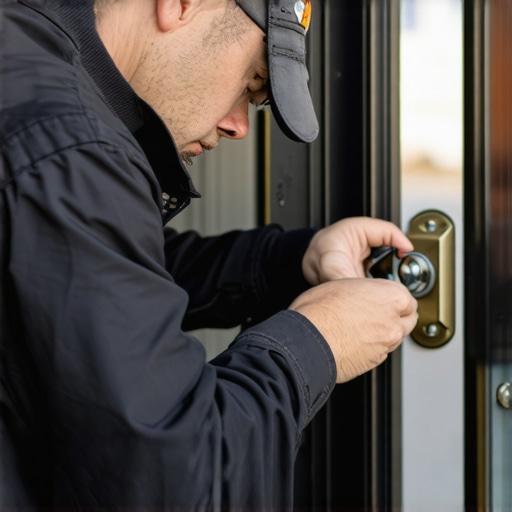
Having a skilled locksmith install your deadbolt isn’t just about security—it’s about ensuring the lock functions perfectly and resists tampering. I once tried a DIY approach, only to realize later that a professional touch makes all the difference.
Regular Maintenance is Key
Even the best locks can fail if neglected. Routine inspections, lubrication, and firmware updates (for electronic locks) keep your security systems resilient and reliable. I now schedule annual reviews to stay ahead of potential vulnerabilities.
Layered Security Enhances Safety
Combining physical deadbolts with electronic access controls creates a formidable barrier. This layered approach has personally given me a greater sense of security, knowing that multiple safeguards are in place.
Stay Updated with Industry Trends
The security landscape is constantly evolving. Subscribing to industry bulletins and participating in locksmith forums has helped me stay informed about emerging threats and innovative solutions. Knowledge truly is power in this field.
Resources I’ve Come to Trust Over Time
- ANSI/BHMA Standards: These provide reliable benchmarks for lock durability and security, ensuring I choose products that meet rigorous tests.
- Pro Locksmith’s Official Guides: Their comprehensive articles and tips have been invaluable in understanding best practices for lock maintenance and upgrades.
- Security Industry Publications: Regularly reading trusted magazines and websites keeps me updated on the latest technology and threats.
Parting Thoughts from My Perspective
Reflecting on my journey, I realize that truly effective commercial lock security isn’t just about hardware—it’s about informed choices, regular maintenance, and embracing new technology responsibly. The key is to stay proactive, continually educate yourself, and don’t hesitate to seek professional advice when needed. If this resonated with you, I’d love to hear your thoughts. Sharing experiences helps us all build stronger, more resilient security systems—and that peace of mind is priceless.