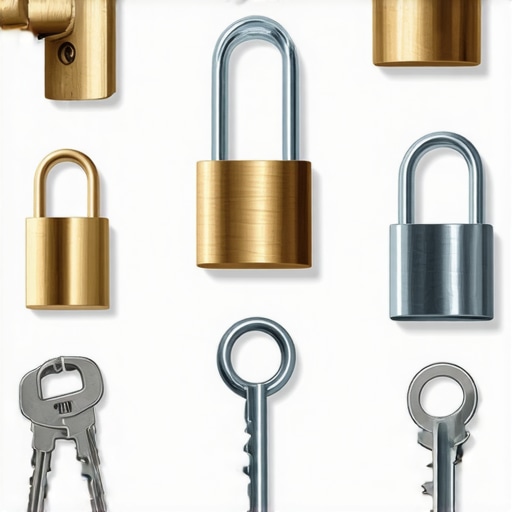
The Anatomy of a Compromised Cylinder
You hear it before you feel it. That dry, metallic crunch when you slide your key into the deadbolt. It is not the smooth, gliding click of 360-series brass pins aligning with the shear line. Instead, it feels like grit. Like sand. As a locksmith with over 25 years at the bench, I can tell you that sound is often the first warning that your security has been poked, prodded, or outright violated. Most homeowners ignore it until the day the plug refuses to turn entirely, leaving them stranded. I teach my apprentices that if you have to force the key, you’ve already lost the battle against the physics of the mechanism. If the key resists, something inside that cylinder has changed, and it usually is not due to old age. Modern locks in 2026 are built with tighter tolerances than ever, meaning even a microscopic burr left by a lock pick can throw the entire stack out of alignment.
“Security is always a trade-off between convenience and protection.” – Industry Axiom
1. Micro-Scratches Around the Keyway (The Raking Signature)
When I look at a lock under a 10x jeweler’s loupe, I am looking for the ‘signature’ of a thief. A standard key enters and exits the keyway vertically. It might leave some minor wear on the face of the plug over a decade of use. However, a ‘trunk-slammer’ or an amateur thief using a rake pick leaves horizontal or diagonal scratch patterns across the face of the cylinder. These marks occur because steel tools are significantly harder than the nickel-silver or brass components of a quality lock. If you see shiny, fresh scratches that radiate outward from the keyhole, someone has been ‘scrubbing’ your pins. They are trying to find the binding order by force. This is a common sight in neighborhoods where neighborhood watch lock recommendations have been ignored in favor of cheap, big-box store hardware. High-quality deadbolts have hardened steel faceplates that resist these marks, but the inner plug remains vulnerable to the physics of abrasion.
[IMAGE_PLACEHOLDER]
2. The Deformation of the Pin Stacks (The Bumping Effect)
Lock bumping remains a persistent threat, even with the rise of AI-powered locksmith services 2026. Bumping involves a specially cut key and a kinetic strike that forces the driver pins above the shear line for a fraction of a second. The tell-tale sign here isn’t on the outside; it is the ‘mushrooming’ of the top of the keyway. Because the bump key is hit with a heavy object, it often leaves a small indentation or a shiny ‘flat’ spot at the very front of the cylinder where the shoulder of the key makes contact. Inside the mechanism, the springs may become fatigued. If your deadbolt feels ‘mushy’ or if the pins do not spring back down immediately after you remove the key, the kinetic energy of a bump attack may have deformed the springs. This is why a deadbolt installation DIY vs pro debate usually ends with the professional pointing out that a pro-grade lock includes anti-bump pins or sidebars that render this physics-based attack useless.
3. Residual Debris or ‘Gunk’ in the Keyway
In 2026, we are seeing a strange trend in sabotage: the use of foreign substances to force a locksmith call-out. Scammers often squirt fast-acting adhesives or even thick grease into a cylinder. The goal is to make the lock fail so you search for an emergency tech and fall victim to a bait-and-switch scam. However, professional criminals might use a broken-off piece of a tension wrench or a fragment of a pick. If your key won’t go in all the way, do not reach for the hammer. Use a flashlight to inspect the back of the keyway. If you see a glimmer of silver or black steel that doesn’t belong, the lock has been tampered with. This happens frequently with master key systems for hotels 2026 where disgruntled individuals attempt to disable access points. A real locksmith will use a spiral extractor to remove the debris, whereas a scammer will immediately tell you the lock must be drilled and replaced for five hundred dollars.
“The strength of a lock is only as good as the strike plate it is anchored to.” – Security Manual Grade 1 Standards
4. Misalignment and ‘Door-Jamb’ Evidence
Physical attacks are not always about the lock cylinder itself. Sometimes, the sabotage is on the door frame. If you notice that you have to lift the door handle or pull the door toward you with significant force to get the deadbolt to throw, check the strike plate. Burglars often use ‘shimming’ techniques on the latch or try to spread the frame with a hydraulic spreader. Look for paint chips or wood splinters around the area where the bolt enters the frame. In the context of EV charging station lock security or commercial properties, we see this often where the ‘box’ of the strike is bent. This is not just ‘house settling.’ It is a sign of a failed pry attempt. A professional deadbolt installation will include three-inch screws that anchor the strike plate directly into the wall studs, making this type of sabotage nearly impossible to hide.
5. Electronic Glitches and ‘Ghost’ Failures
As we move toward keyless entry systems pros and cons, the signs of tampering have moved into the digital and electromagnetic space. If you have a smart lock and notice your battery is draining in two days instead of six months, or if the keypad stays ‘awake’ for no reason, you might be facing a ‘brute force’ digital attack. Some devices in 2026 attempt to overwhelm the Bluetooth or Zigbee protocol, causing the internal processor to hang. Physically, look for small pry marks around the battery cover or the external emergency power terminals. For automotive owners, keyless ignition repair services often deal with ‘relay attacks’ where the signal is boosted. In residential settings, if your electronic lock resets to factory defaults without your input, your security has been breached at the software level. This is a primary reason to stick with reputable brands that offer encrypted rolling codes rather than the cheapest AI-powered gadgets on the market.
The Verdict: Repair or Replace?
If you find these signs, the question is whether to rekey or replace. Most people think rekeying is just for when you lose a key, but it is also a forensic reset. By removing the cylinder, a master locksmith can inspect the driver pins for wear and replace any fatigued springs. However, if the plug itself is scored or the housing is cracked, replacement is the only path. Avoid the ‘zinc hardware’ found at big retailers. Look for ANSI Grade 1 hardware with solid brass cylinders. And for the love of all that is secure, stop using WD-40. It is a solvent, not a lubricant. It attracts dust which turns into a grinding paste inside your lock. Use a dry PTFE or silicone-based lubricant to keep those pins moving freely. Security is not a ‘set it and forget it’ product; it is a discipline of maintenance and observation.


![How to Fix a Sticking Door Lock Mechanism Without a Pro [2026]](https://prolocksmithco.com/wp-content/uploads/2026/03/How-to-Fix-a-Sticking-Door-Lock-Mechanism-Without-a-Pro-2026-500x330.jpeg)