The Anatomy of a Winter Lockout
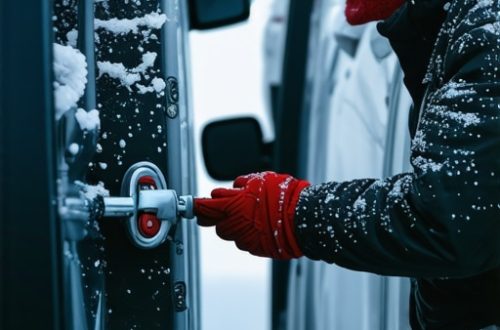
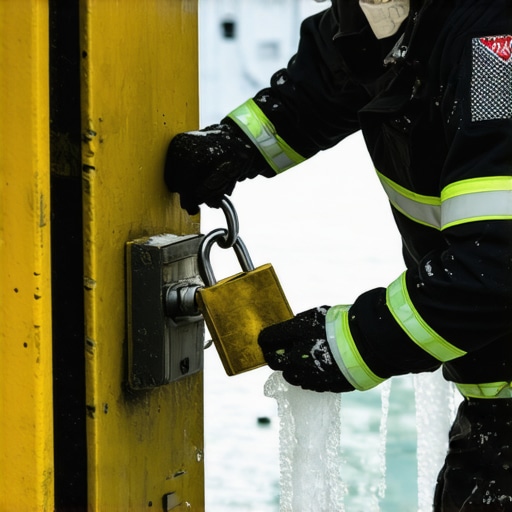
When the temperature drops below freezing in the 2026 winter season, most homeowners think about their pipes, but they ignore the physics of their front door. I’ve spent 25 years at the bench, and every January, the same thing happens: the phone rings off the hook because someone snapped a brass key inside a frozen cylinder. You see, a lock isn’t just a piece of metal; it’s a high-tolerance mechanical assembly where the clearance between a pin and its chamber is often less than the thickness of a human hair. When moisture enters that space and turns to ice, those pins become welded to the cylinder housing. Forced rotation doesn’t open the door; it shears the key or destroys the internal wafers.
I teach my apprentices that if you have to force the key, you’ve already lost. I remember one kid, eager but green, trying to ‘muscle’ a frozen commercial restricted keyway on a warehouse door. He put enough torque on it that the bow of the key twisted 90 degrees before the blade snapped flush with the plug. Now, instead of a simple de-icing job, we were looking at a three-hour extraction and a rebuild of a high-security core. That’s why I’m writing this. I’m tired of seeing good hardware ruined by bad habits and ‘trunk-slammer’ locksmiths who just drill everything they see because they don’t understand the science of the freeze.
“Security is always a trade-off between convenience and protection.” – Industry Axiom
1. The Moisture Purge: Beyond De-Icers
The symptom is a ‘crunchy’ feeling when you insert the key. The diagnosis? Atmospheric moisture or humidity from inside the house has migrated into the lock cylinder and crystallized. Most people reach for those cheap pressurized de-icer cans from the gas station. That’s a temporary fix that creates a long-term problem. Those de-icers are often alcohol-based, which strips away any existing lubrication, leaving the raw brass and steel vulnerable to corrosion. To truly fix this for 2026, you need to displace the water. Use a dedicated moisture-displacing lubricant that doesn’t use oil or grease as a base. If you’re dealing with automotive laser-cut keys costs, you know that replacing a modern high-security car key isn’t cheap—don’t ruin the ignition lock by spraying junk in there. For front doors, specifically anti-pick locks for front doors 2026 models, the tight tolerances mean even a microscopic layer of ice can bind the sidebars.
2. Smart Lock Battery and Firmware Hardening
2026 smart lock trends for homes show a massive move toward solar-powered smart locks 2026, but even these struggle when the sun is at a low winter angle and the lithium cells are freezing. Cold temperatures increase the internal resistance of batteries, leading to ‘voltage sag.’ Your lock might have enough juice to talk to your Wi-Fi but not enough torque to throw the deadbolt through a slightly misaligned strike plate. If you’re seeing access logs for smart locks showing ‘motor jammed’ errors, it’s likely a power issue or thermal contraction. I recommend checking your battery levels in November and switching to high-output lithium-ion cells that are rated for sub-zero performance. Also, apply smart lock hacking prevention tips by ensuring your firmware is updated before the deep freeze—cold-booting a bricked smart lock in a blizzard is a nightmare I wouldn’t wish on my worst enemy.
3. The Strike Plate Realignment (Thermal Contraction Fix)
Wood doors swell in the summer and shrink in the winter. This isn’t a theory; it’s material science. When the door frame contracts, the deadbolt hole and the strike plate move out of alignment. If your deadbolt doesn’t slide in like a hot knife through butter, the motor in your smart lock will burn out, or you’ll find yourself putting ‘binding pressure’ on the pins, making them impossible to lift. This is where deadbolt installation DIY vs pro becomes apparent. A pro knows to slightly over-size the strike box and use 3-inch screws that anchor into the house framing, not just the trim. If you’re managing a facility using business key management software, ensure your maintenance crew does a ‘periphery check’ on all commercial restricted keyways to ensure the latch-to-strike alignment hasn’t shifted by more than 1/16th of an inch.
“Grade 1 certification requires a deadbolt to withstand 10 strikes of 75 foot-pounds.” – ANSI/BHMA Standards
4. Automotive Transponder and Keyway Care
I get calls daily for ‘automotive key programming near me’ because someone’s fob stopped working in the cold. Often, it’s not the programming; it’s the physical lock or the transponder coil’s sensitivity in the cold. If you have a car that still uses a physical keyway, especially those expensive automotive laser-cut keys, the internal tumblers can get stuck in the ‘dropped’ position. This prevents the sidebar from retracting. Never use graphite in an ignition. Graphite is a conductor and can mess with the electronics. Use a dry PTFE-based spray. For those with keyless starts, the cold affects the fob’s signal strength. Keep your fob in an internal pocket to keep the battery warm, and if you’re worried about theft, remember that smart lock hacking prevention tips apply to cars too—don’t leave your keys near the front door where relay attacks are common.
5. The Dry Lubrication Standard
If you see a locksmith pulling out a can of WD-40 (the blue and yellow can), fire them on the spot. Standard WD-40 is a solvent, not a long-term lubricant for precision machinery. It attracts dust and, in the winter, it turns into a sticky sludge that acts like glue for the springs inside your lock. For 2026, we use dry-film lubricants. These use a solvent that evaporates completely, leaving behind microscopic flakes of Teflon or PTFE. This ensures that the shear line—the point where the top pins and bottom pins meet—remains clear of debris. This is vital for anti-pick locks for front doors 2026 which often use telescopic pins or rotating discs that are extremely sensitive to ‘gunk’ buildup. If you’re DIYing, spray the key, slide it in and out of the lock ten times to coat the pins, and wipe off the excess. This prevents the common ‘ice jam’ before it starts.
Summary of Professional Winterization
Security isn’t about the shiny hardware you bought at the big-box store; it’s about the maintenance of the mechanical interfaces. Whether you’re worried about automotive laser-cut keys costs or ensuring your commercial restricted keyways are secure, the physics remains the same. Don’t wait for the first ice storm to realize your locks are neglected. A little bit of the right lubricant and a quick alignment check can save you a $300 emergency call-out fee. Remember, a lock is a machine, and machines require service. Keep the moisture out, keep the moving parts dry-lubricated, and respect the tolerances of the metal. That’s how you stay secure in 2026.

![Save $100 on Automotive Key Programming Near Me [2026 Tips]](https://prolocksmithco.com/wp-content/uploads/2026/03/Save-100-on-Automotive-Key-Programming-Near-Me-2026-Tips-75x75.jpeg)

![How to Fix a Sticking Door Lock Mechanism Without a Pro [2026]](https://prolocksmithco.com/wp-content/uploads/2026/03/How-to-Fix-a-Sticking-Door-Lock-Mechanism-Without-a-Pro-2026-500x330.jpeg)