The 3 AM Reality of EV Infrastructure Vulnerability
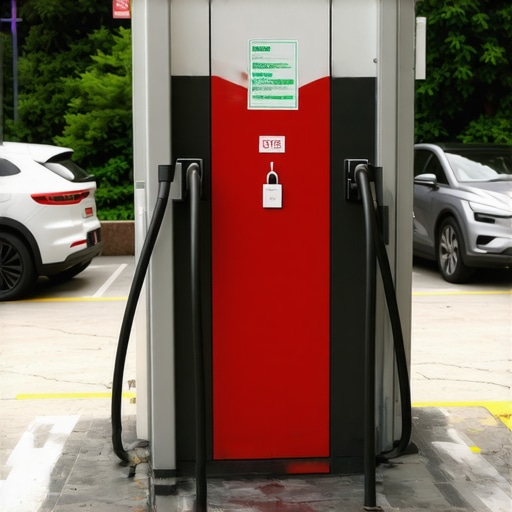
I once had a customer call me at 3 AM because they were stranded at a desolate charging station in a blizzard. They weren’t just stuck; they were victims of a targeted theft where the charging cable had been sheared off for its copper, and the locking mechanism on the station itself had been smashed to pieces. The person was shivering, the car was at 2% battery, and the cheap zinc-alloy lock on the station had failed under the first sign of a pry bar. This is the reality of our infrastructure as we move into 2026. If you think the standard locks coming from the factory are going to protect expensive charging units, you’re dreaming. These are physics problems, and right now, the thieves are winning because they understand leverage better than the manufacturers understand security.
The Physics of Failure: Why Standard EV Locks Are Junk
When we look at the high security locks vs standard locks comparison, the difference is often in the metallurgy. Most off-the-shelf EV charging station locks use what we call ‘pot metal’—a low-grade zinc alloy that has a tensile strength about as impressive as a wet cracker. When a thief applies a high-torque screwdriver into the keyway, they aren’t ‘picking’ the lock; they are physically shearing the internal wafers. A standard 5-pin tumbler in these units has a shear line that is easily bypassed because the tolerances are sloppy. I’m talking about gaps of .005 inches or more, which is a playground for a shim or a bump key. In my shop, we see these failures daily. To stop the 2026 crime wave, we have to look at residential lock cylinder replacement techniques applied to commercial EV frames.
“Security is always a trade-off between convenience and protection.” – Industry Axiom
Fix 1: Upgrading to Restricted Keyways and Hardened Steel Cylinders
The first fix involves a complete residential lock cylinder replacement with a high-security restricted keyway system. You want a cylinder that utilizes sidebars and telescoping pins. In a standard lock, the driver pins and key pins meet at a single shear line. In a high-security Medeco or Assa Abloy system, you have to rotate the pins to a specific angle to align a sidebar. This adds a second layer of mechanical complexity that a thief in a parking lot won’t have the time or the specialized tools to bypass. We are seeing a huge demand for commercial master key system advantages for businesses that manage fleets of chargers. By using an Interchangeable Core (IC), if a key is stolen, you can swap the entire security profile in seconds without disassembling the charging unit’s housing. This is critical because locksmith costs in urban areas 2026 are skyrocketing for onsite labor; being able to swap your own cores saves a fortune.
Fix 2: Winter-Proofing and Lubrication Logic for 2026
Let’s talk about lock maintenance tips for winter 2026. Most people make the mistake of spraying WD-40 into their locks. Stop it. WD-40 is a solvent, not a long-term lubricant; it attracts grit and eventually turns into a gummy paste that traps the springs. For EV stations exposed to the elements, you need a dry PTFE-based lubricant or high-grade graphite. In the winter, moisture enters the keyway, freezes, and expands. This expansion can actually warp the pin chambers. If you are dealing with car lockout services for Tesla models or other EVs, you know that electronics and ice don’t mix. For the station locks, we recommend installing a weather-shielded flip cover that uses a magnetic gasket. This keeps the internal physics of the springs and pins functional even when the temperature drops to sub-zero. A seized lock is a broken lock, and a broken lock is an invitation to a thief with a hammer.
“A lock is only as strong as its weakest component, which in most modern installations is the strike or the material thickness of the housing.” – ANSI/BHMA Security Standard
Fix 3: Biometric Integration and Voice-Activated Backups
For high-end installs, we are moving toward a biometric locks installation guide 2026 approach. This removes the physical keyway—the primary point of attack—entirely. By using a capacitive fingerprint sensor or an encrypted RFID handshake, you force the thief to attack the cabinet itself rather than the lock. However, you need a manual override. That’s where a voice-activated locks setup tutorial can come in handy for authorized technicians to gain access during a system failure. When searching for the best residential door locks for safety and durability, we look for Grade 1 ANSI ratings; your charging station should be no different. If you’re managing a fleet, don’t rely on the automotive locksmith vs dealership for car key replacement debate—get your own key control system in place now.
The Forensic Autopsy of a Vulnerable Station
If you look at the internal components of a cheap charger lock, you’ll see the springs are made of thin phosphor bronze that loses its tension after 500 cycles. A professional grade lock uses stainless steel springs that can handle 50,000 cycles without fatigue. When the spring fails, the driver pin doesn’t drop back into the plug, leaving the lock in a partially ‘picked’ state. This is why your key feels ‘crunchy.’ In the city, where humidity and salt air eat metal for breakfast, this degradation happens even faster. You need to inspect your strike plates and ensure the latch bolt has at least a 1-inch throw into a reinforced steel frame. Anything less is just security theater. Security involves trust, not just metal, and in 2026, you can’t trust the factory hardware to protect your investment.


![How to Fix a Sticking Door Lock Mechanism Without a Pro [2026]](https://prolocksmithco.com/wp-content/uploads/2026/03/How-to-Fix-a-Sticking-Door-Lock-Mechanism-Without-a-Pro-2026-75x75.jpeg)